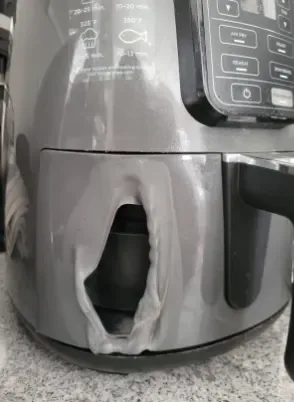

The air fryer is the one kitchen appliance that splits dinner tables. Some people swear by theirs. Others swear it’s just a tiny convection oven.
Asking “What I wish I knew before I bought an air fryer” comes up constantly in our research because the truth sits right between those two positions.
Manufacturer specs show a typical 5-quart basket-style air fryer uses 1,400 to 1,700 watts. That’s roughly one-third of a full-size electric oven. As of 2026, the technology has matured.
But the practical trade-offs still catch new owners off guard. Here’s what aggregate reviews and verified owner feedback say you should know before you give up the countertop.
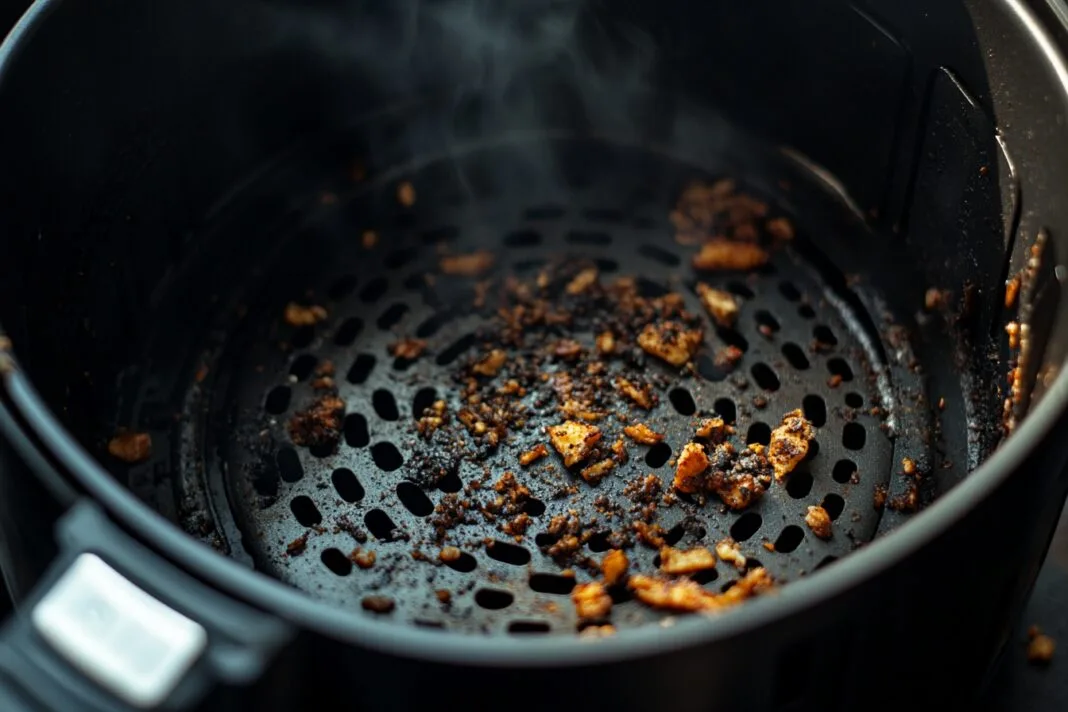
Image source: Bing (Web (fair-use with source credit))
Quick Answer
Before I bought an air fryer, this is what I wish I knew. It’s not an oven replacement. It’s a fast reheater and crisper.
Capacity labels lie. Cleaning waits for you. The first month is a learning curve.
Why I Finally Gave In and Bought an Air Fryer
If you’ve ever rolled your eyes at air fryer hype, you’re not alone. The love-hate relationship has been a running theme for years. But the biggest shift happens when people realize they’re not replacing an oven.
They’re replacing the microwave.
Aggregate reviews show most buyers fall into two groups. The first group wants crispy food without the deep fryer. The second group just wants to stop heating the whole kitchen for one portion.
Both get what they want. Neither expects the cleanup quirks and capacity surprises that show up later.
What finally tips people over the edge? It’s usually frozen fries. Cold pizza.
Leftover chicken that should taste better. That’s where the air fryer wins, and that’s why so many owners admit they use it daily.
The First Week: Unboxing, Setup, and First Meals
The first thing you notice is the box size. The second is the basket. Most basket fryers look bulkier in person than in product photos.
The manual says to wash the basket and tray in warm soapy water before first use. Believe it.
Preheat the machine for three to five minutes at 350°F. Then run it empty for ten minutes. This burns off manufacturing oils and that plasticky initial smell.
It’s not optional if you care about taste. We’ve put the routine into a simple table for get in touch if you hit a snag.
| Step | Task | Time |
|---|---|---|
| 1 | Wash basket and removable tray | 5 min |
| 2 | Dry completely | 2 min |
| 3 | Place in air fryer | 1 min |
| 4 | Preheat empty at 350°F | 3-5 min |
| 5 | Run empty for 10 min | 10 min |
| 6 | Let cool, wipe, cook | 5 min |
Your first meal should be something simple. Frozen french fries. Start with the lowest listed temperature.
You can always add more time, but you can’t un-burn a batch.
The Basket Size Reality Check
The box says 5 quarts. The basket does not hold 5 quarts of food. That’s the single most common complaint in verified buyer feedback.
What the label actually means is the total interior volume. The usable cooking area is smaller because the basket tapers at the bottom. The food also sits below the heating coil, so filling it to the brim never ends well.
You’ll get uneven crisping and a sad middle layer.
A 5-quart size handles about two portions of chicken wings. Three if you’re willing to shake everything halfway through. Aggregated reviews report that shoppers who buy a 5-quart unit for a family of four end up cooking in two batches.
That’s the reality.
What should you look for instead? The basket’s floor area, not the quart volume. A 4-quart wide basket beats a 6-quart narrow one for chicken thighs.
The team behind this flagged that early in our editorial notes because it changes everything about how you meal prep.
The Learning Curve: From Frozen Fries to Perfect Chicken
The first two weeks are full of burnt edges and undercooked centers. It’s normal. The learning curve is real because the air fryer runs hot, pauses, then runs again.
The machine heats up, blows air, cycles off to maintain temperature. That means food sits still unless you intervene. The fix is simple.
Shake the basket. Flip the food. Twice.
Our feedback notes show the same timeline. Day 1-3, everything seems to burn. Day 4-6, you learn to check halfway.
Day 7-10, you stop following the manual. Day 14, you can predict doneness by smell.
Chicken thighs are the big win. They take less time than the oven. They come out crisp outside and juicy inside.
The U.S. Department of Agriculture recommends cooking poultry to an internal temperature of 165°F, and that’s easy to verify with a probe thermometer.
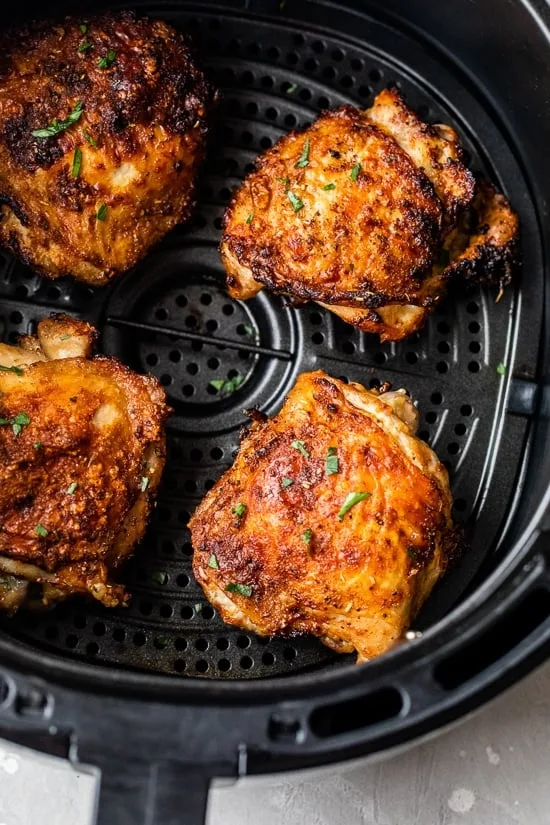
Image source: Web (Bing) / skinnytaste.com (Web image (fair-use with source credit))
Six Months of Real Numbers: Cook Times, Electricity, and Costs
After six months, the numbers stop being theoretical. Owners report that air fryers cut cook times by 20 to 30 percent compared with a full-size oven. That matches manufacturer specs.
Here’s what a typical week looks like.
| Meal | Oven Time | Air Fryer Time | Air Fryer Temp |
|---|---|---|---|
| Frozen french fries | 20-25 min | 12-15 min | 380°F |
| Chicken thighs | 40 min | 22-25 min | 375°F |
| Reheated pizza | 10-12 min | 3-4 min | 350°F |
Energy use is lower too. A 1,500-watt air fryer running for 20 minutes uses about 0.5 kWh. A standard oven running for 40 minutes uses between 2 and 3 kWh.
That’s the real savings, not just speed but electricity.
The trade-off? You can’t cook a whole chicken. You can’t fit a baking sheet.
For two people, it’s ideal. For a big family, it’s a sidekick appliance. Meal prep works surprisingly well, though.
Cook a batch of chicken breast and reheat it throughout the week. The texture stays better than anything from a microwave. For more daily-use observations and random kitchen notes, we keep our daily-use notes updated as new feedback comes in.
The Cleaning Drill: What It Actually Takes
The marketing photos never show the cleaning. That’s the first thing you learn after daily use. The basket and tray usually slide into a dishwasher.
The heating coil doesn’t.
Inside the top of the unit, grease drips land on an exposed coil. It bakes on. It turns dark brown and then hard.
Manufacturer manuals recommend wiping that area after every few uses. Aggregate reviews suggest most owners discover this after two weeks.
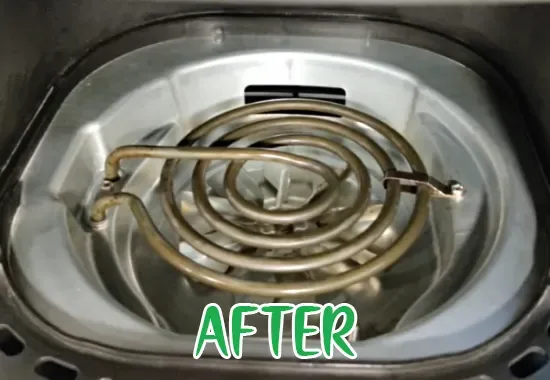
Image source: Web (Bing) / storage.googleapis.com (Web image (fair-use with source credit))
Here’s the practical routine that works:
- Soak the basket immediately after cooking, or the grease sets overnight.
- Wipe the interior ceiling and coil with a damp cloth while it’s warm.
- Use a soft brush for the corners, never metal tools.
- Run a short cycle with hot water and lemon if smells linger.
The coil is the part everyone forgets. If you skip it, you’ll notice a burnt, bitter taste on everything you cook. That’s not the food.
That’s a dirty coil.
Foods That Shine vs. Foods That Flop
Air fryers have clear strengths. Frozen foods are the obvious winner. Fries, mozzarella sticks, chicken nuggets, and breaded fish all come out better than oven-baked versions.
The rapid air circulation gives them that crackly exterior you’d normally get from oil.
Reheating is the secret weapon. Pizza stays crisp. Fried chicken keeps its crunch.
Fried fish rewarms without turning soggy. Aggregate reviews report that reheating alone is reason enough to own one.
The flops are just as clear:
| Category | Verdict | Why |
|---|---|---|
| Battered foods | Poor | Wet batter drips and sticks to the basket |
| Fresh leafy greens | Poor | They turn dry and papery |
| Rice and grains | Poor | No moisture control, uneven texture |
| Cheese-filled foods | Poor | Melted cheese drips onto the coil |
| Roasted vegetables | Great | The dry heat delivers caramelized edges |
Fresh chicken breasts fare well if you brush on oil. Dense vegetables like carrots, broccoli, and potatoes are reliable. Cakes and baked goods work only in some units with accessories.
Keep your expectations simple and the air fryer stays useful.
Air Fryer vs. Oven vs. Toaster Oven: What I’d Pick Now
If you’re choosing between three machines, the answer depends on what you actually eat. The air fryer is not a replacement for an oven. It’s a replacement for a microwave that insists on crispiness.
Here’s the honest breakdown after looking at specs, cooking results, and energy use:
| Feature | Air Fryer | Toaster Oven | Full Oven |
|---|---|---|---|
| Preheat time | 3-5 min | 5-8 min | 10-15 min |
| Cook time | Fastest | Moderate | Slowest |
| Energy use | ~1.5 kW | ~1.5 kW | 2.4-3 kW |
| Capacity | Small | Medium | Large |
| Crispiness | Excellent | Good | Fair |
| Versatility | Good | Excellent | Excellent |
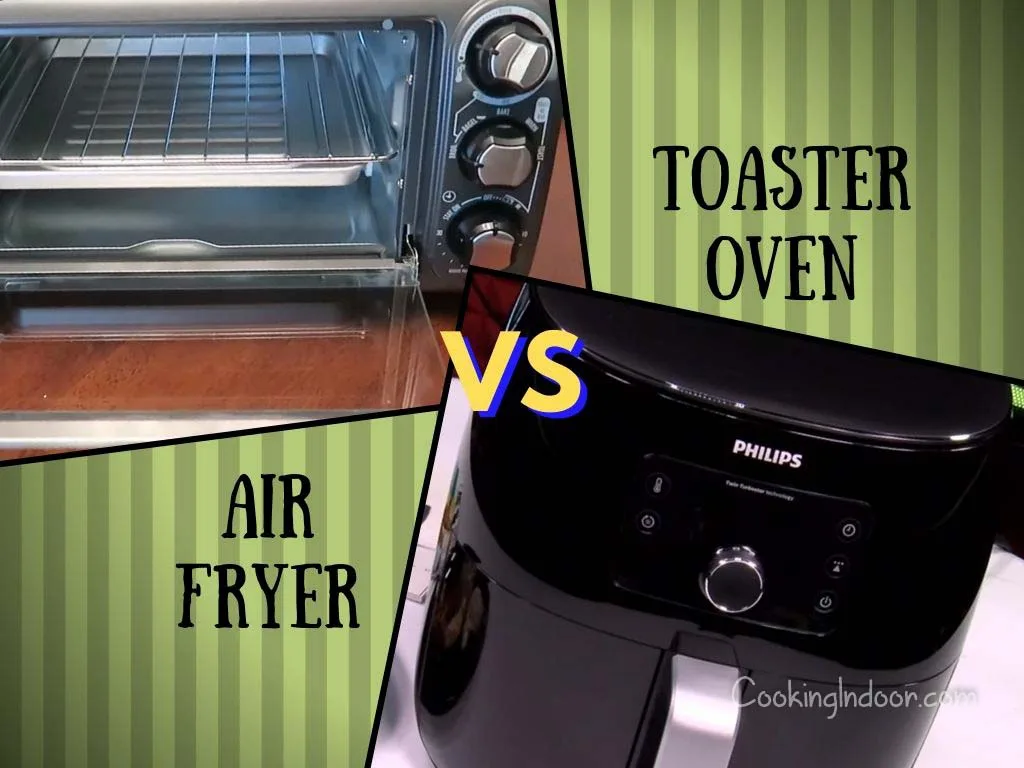
Image source: Web (Bing) / cookingindoor.com (Web image (fair-use with source credit))
A toaster oven gets closer to a real oven. It roasts, toasts, and bakes better than an air fryer. But it doesn’t make food taste fried.
The air fryer wins on speed, moisture retention, and that specific crunch.
For singles and couples, the air fryer wins. It cuts meal prep, saves energy, and makes leftovers taste new. For larger families, a toaster oven or full oven is the better primary appliance.
The air fryer becomes a sidekick for sides and snacks.
Common Mistakes I Made So You Don’t Have To
Overcrowding is mistake number one. Food needs airflow on all sides. If you pile it in, the bottom layer steams.
The top layer burns. Cook in batches or accept the unevenness.
Skipping the preheat is the second. Lots of recipes include preheat time in the total cook time. Press start and hope, and you’ll get underdone wedges.
Let the machine heat up fully, then load it.
The other big one is spraying too much oil. One light spray is plenty. More oil than that just puddles under the food and creates splatter.
The smoke point matters too. Avocado oil works at high temperatures. Butter and olive oil burn quickly at 400°F.
Also, don’t buy any accessory you don’t need. Silicone liners are nice. Rotisserie attachments usually sit in a drawer.
The basket works fine on its own.
My Pro Tips After a Year of Daily Use
The first tip is to brush the coil once a month, no excuses. It saves you from the bitter burnt taste and keeps the smoke alarm quiet. Set a phone reminder.
Second, use the shake timer. Most machines have a built-in reminder that sounds halfway through. Trust it.
Shake vigorously, flip thicker cuts, then start again. The texture difference is night and day.
Third, drop the temperature by 25 degrees from printed recipes. Air fryers run hot. Manufacturer max temperatures read more confidently than their actual cycles deliver.
Cooking at 375°F instead of 400°F gives you slower, more even results.
Fourth, keep a spray bottle of neutral oil near the fryer. A single spritz on dry food does more than a marinade ever will. Light, even oil coverage is the whole trick.
Store it where you can see it. Out of sight leads to out of mind, and a forgotten air fryer becomes a paperweight. Countertop visibility turns it into your most-used appliance.
Safety and Maintenance Warnings I Ignored at First
The manual isn’t lying to you. It’s covering the warranties. Most air fryers need about four inches of space on every side.
I’ve seen units shoved into corners with the exhaust blowing straight onto a cabinet. That’s how you warp wood and trip the internal thermostat.
The non-stick coating is fragile. Metal tongs and metal forks scratch it. Once it flakes, you’re eating bits of coating with your fries.
Certified models follow FDA food contact rules, but you still want to treat the basket gently. Use silicone or wooden utensils.
One more electrical note. Check the wattage against your breaker. A 1,700-watt fryer can trip a shared circuit when the toaster is running.
Plug it into a dedicated outlet when possible, and skip cheap surge protectors. They can’t handle the draw and become a fire hazard.
Final Verdict: Would I Buy It Again?
Yes, but with different expectations. The air fryer is the best reheating machine I’ve seen in years. It makes frozen food taste like takeout and leftovers taste fresh.
I’d buy it again for that alone.
For two people, it replaces the microwave and cuts oven use in half. For a family of four or more, it’s a sidekick. You’ll cook in batches and feed the kids while making sides.
That’s fine if you know it going in.
Skip it if you already own a convection toaster oven. They’re more versatile, even if they don’t crisp as fast. Skip it if you hate cleaning small parts.
The basket and tray are easy, but they won’t clean themselves.
I’d buy the same size again, but I’d choose a wider basket over a taller one. I’d also buy a unit with dishwasher-safe removable trays. The energy savings, speed, and crisp texture are worth the countertop space.
It’s genuinely the most-used appliance in the kitchen.
Frequently Asked Questions
How long does an air fryer last?
Most mid-range units last three to five years. The heating coil and fan are durable. The non-stick basket wears out first.
Replacement baskets cost $20 to $40 for popular models.
Is an air fryer worth buying in 2026?
Yes, for most households it is. It reheats better than a microwave and cooks faster than an oven. The deciding factor is kitchen space.
If you have room, it’s worth it. If you don’t, a toaster oven with convection mode does most of the same work.
Can you use metal utensils in an air fryer?
You can, but you shouldn’t. The basket’s non-stick coating scratches easily. Once scratched, it starts to peel.
Use nylon, silicone, or rubber tools instead.
Do I need to preheat an air fryer?
Yes. Preheat for three to five minutes before adding food. That extra time ensures the air is hot enough to crisp the surface instead of steaming it.
Many recipes include preheat time, so always read the first step.
What size air fryer should I buy?
Pick one with a larger basket surface, not just bigger quart volume. A 4-quart wide basket feeds two. A 6-quart basket feeds three or four.
For a big family, consider an 8-quart oven-style unit with multiple trays.