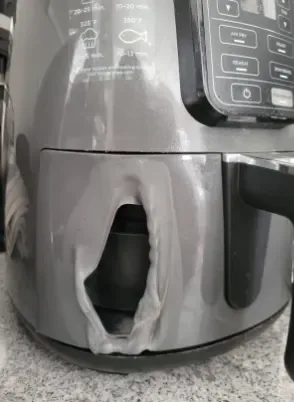
You’re staring at a ceramic plate, wondering if it can survive the blast of heat inside your air fryer. It’s a fair question, and the answer isn’t a simple yes or no. The short version is that many ceramic plates are perfectly safe, but only if they meet a few specific conditions related to material, temperature rating, and physical integrity.
Manufacturer specifications and safety standards indicate that most stoneware and porcelain dinnerware can handle the heat, but the risk of thermal shock is real. The wrong plate can crack, shatter, or release harmful substances into your food. We’re going to break down exactly what to look for, how to test your plates, and the steps you need to follow to stay safe.
By the end, you’ll know precisely whether your favorite dish belongs in the fryer or stays in the cupboard.
Quick Answer
Yes, you can put a ceramic plate in an air fryer. It must be oven-safe. It must withstand temperatures of at least 350°F.
It must have no metallic trim. It must fit with clearance around the edges. If it has chips or cracks, do not use it.
Preheat the plate with the basket to avoid thermal shock.
A Quick Note on Oven-Safe vs. Air-Fryer Safe
People assume the two are the same. They aren’t. An oven heats the air around the food gently and evenly.
An air fryer circulates hot air rapidly, which creates a much more aggressive thermal environment.
Oven-safe ceramic can still fail in an air fryer. The rapid airflow causes temperature fluctuations that stress the material differently than a static oven. That means the “350°F safe” stamp on the bottom of your plate doesn’t tell the whole story.
You need to look at the specific temperature rating and the plate’s condition.
Why Terms Matter
- Oven-safe: The plate won’t melt or warp at standard baking temperatures. It usually means up to 350°F or 400°F.
- Air-fryer-safe: This is a newer designation. It means the manufacturer tested the product under rapid air circulation. Fewer ceramics carry this label.
- Microwave-safe: Means the glaze has no metallic elements. It says nothing about heat resistance.
- Dishwasher-safe: Only relates to cleaning chemicals and water temperature. Irrelevant for heat.
If you only see “microwave-safe” on the bottom, don’t assume it’s safe for the air fryer. Check the full markings before you proceed.

Image source: Web (Bing) / southernhomeexpress.com (Web image (fair-use with source credit))
The Short Answer: Yes, But Only If…
You have a standard stoneware plate from a major dinnerware set. It’s thick, sturdy, and says “oven-safe” on the bottom. It has no gold trim, no painted decals.
You can absolutely use it in your air fryer.
The conditions aren’t complicated, but they are non-negotiable. Here’s the checklist we use for every plate before it goes anywhere near the basket.
The Three Conditions
- Material: It must be stoneware, porcelain, or high-fired ceramic. Low-fire earthenware and hand-painted pottery are too porous and fragile.
- Temperature Rating: It must be stamped “oven-safe” with a rating of at least 350°F (175°C). Most air fryers max out at 400°F (200°C), so a 350°F plate leaves very little headroom.
- Physical Condition: It must be free of chips, cracks, crazing (fine hairline cracks in the glaze), and metallic decoration.
If your plate fails any of those three, keep it out of the fryer. The consequences of ignoring this aren’t just a ruined meal. A ceramic plate shattering inside a hot appliance can cause serious injury and damage the heating element.
What the Research Says
Aggregate user reviews and manufacturer forums report two main failure modes. The first is thermal shock, which happens when a cold plate hits a hot basket. The second is glaze failure, where the coating breaks down and leaches into food.
Both are preventable with proper inspection and technique.
The Core Science: Why Ceramics Crack or Shatter
Ceramics are brittle. They handle compression well but resist sudden temperature changes poorly. That’s where thermal shock comes in.
It happens when one part of the material expands faster than the rest. Imagine placing a cold plate into a preheated air fryer. The bottom surface heats instantly and expands.
The top surface stays cool and rigid. The internal stress builds until the material gives way.
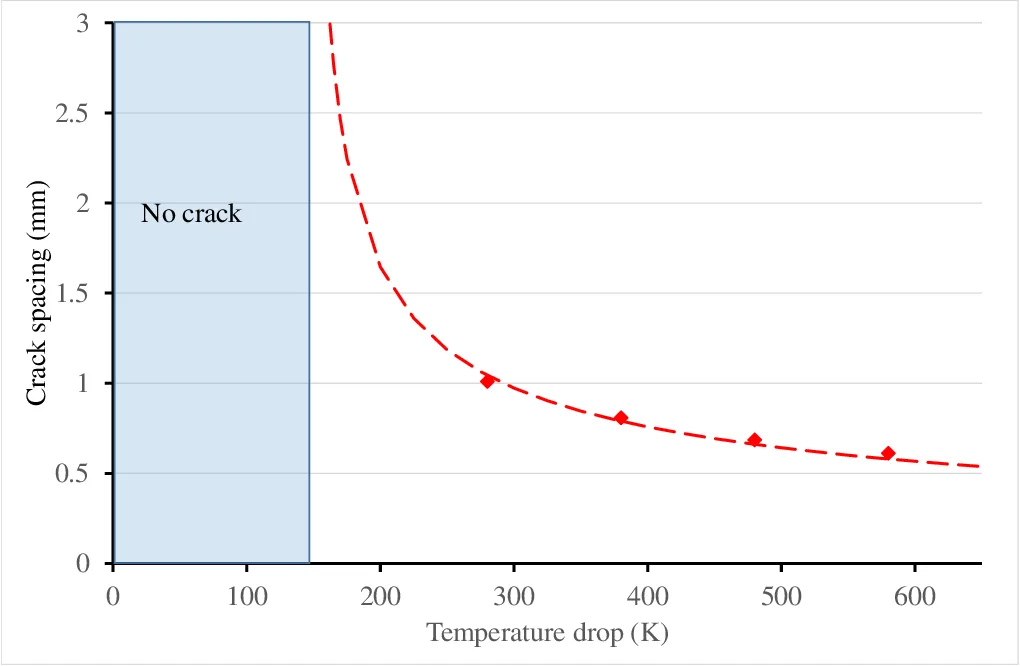
Image source: Web (Bing) / semanticscholar.org (Web image (fair-use with source credit))
Thermal Shock, Explained Simply
Every material has a thermal expansion coefficient. It describes how much the material grows when heated. Ceramics have a relatively low tolerance for differential expansion.
That means the faster the temperature changes, the higher the risk of fracture.
In an air fryer, the heating element cycles on and off. That creates rapid temperature swings. The ceramic plate must absorb those swings without cracking.
A high-quality stoneware plate can. A cheap earthenware bowl might not.
The Numbers Behind the Risk
Per ASTM C554, the standard test method for thermal shock resistance of fired whitewares, most commercial ceramics are rated for a temperature difference of about 200°F (111°C). That’s the maximum safe swing from cold to hot.
Here’s what that means in practice:
- Plate at room temperature (72°F): Safe to place in a preheated fryer up to about 272°F. That’s well below the 400°F typical max.
- Plate from the fridge (40°F): The safe swing drops to 240°F. Even more dangerous.
- Plate from the freezer (0°F): Forget it. The thermal shock risk is extreme.
Manufacturers of high-end stoneware, like Emile Henry, rate their products for 500°F. That gives you much more margin. Budget dinnerware often has a lower threshold, even if the stamp claims otherwise.
Why the Glaze Matters Too
The glaze on a ceramic plate isn’t just for looks. It seals the porous clay body and prevents water absorption. If the glaze has microscopic cracks, moisture can get inside the clay.
When that moisture heats up inside the air fryer, it turns to steam. The steam expands and pressures the ceramic from within. That’s how a “perfectly good” plate suddenly splits in half.
Always inspect the glaze under bright light before use.
You may also like: Are Air Fryer Liners Safe
How to Inspect Your Ceramic Plate Before You Use It
You don’t need fancy tools for this. Just your eyes, your hands, and a few minutes. The inspection takes less time than preheating the fryer.
Step 1: Check the Bottom Stamp
Flip the plate over. Look for the manufacturer’s mark. You’re looking for one of three things:
- An “oven-safe” symbol (a square with a wavy line or the words “oven safe”)
- A temperature rating (e.g., “350°F” or “175°C”)
- The words “ovenproof” or “flameproof”
If you see nothing, treat the plate as unsafe. The absence of a stamp is not a green light. It’s a red flag.
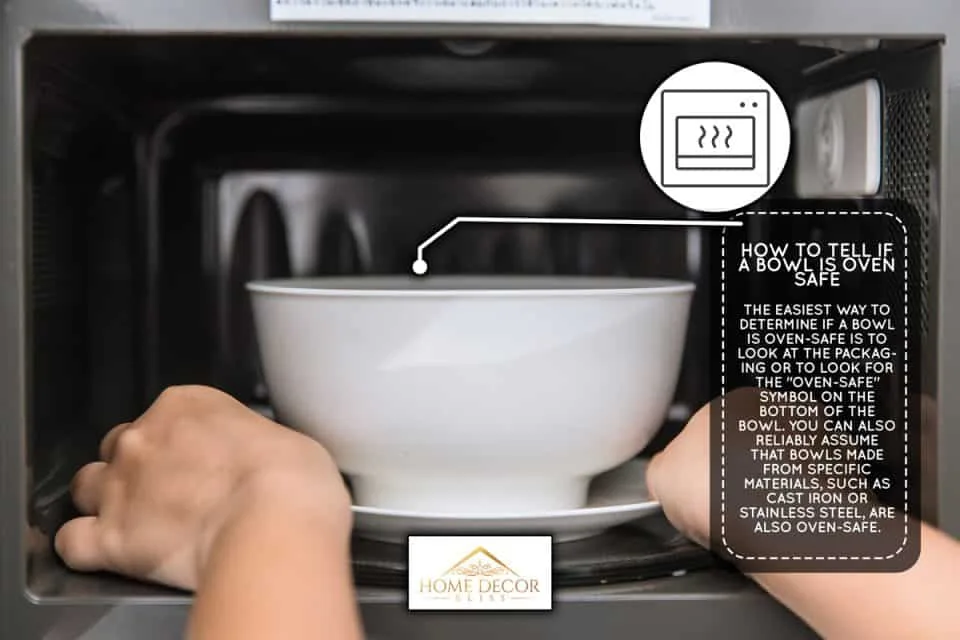
Image source: Bing (Web (fair-use with source credit))
Step 2: Hold It to the Light
Look at the glaze. You’re checking for crazing, which are those fine spiderweb cracks. They look like the glaze has aged or crazed.
Any of those lines means the seal is broken.
Run your finger over the surface. It should feel perfectly smooth. A rough patch or a bump could indicate a small chip that’s hard to see.
Step 3: Check the Rim and Foot
The rim is the most vulnerable part. It’s thin and exposes the clay body. The foot (the raised ring on the bottom) also takes a lot of stress.
Look for any nicks or chips along these edges. Even a tiny flaw creates a stress concentration point. That’s where a crack will start under heat.
Step 4: The Metallic Trim Test
Hold a magnet near the edge of the plate. Gold and silver trims often contain metal particles. The magnet won’t necessarily stick to a metal leaf trim, but it’s a quick first check.
The real test is visual. If the rim has a shiny metallic band, it’s dangerous. That metal can heat up fast, cause hot spots, and potentially arc with the heating element.
Never put a plate with metallic decoration in an air fryer.
Step 5: The Tap Test
Give the plate a gentle tap with your fingernail. A healthy ceramic plate rings with a clear, high-pitched tone. A plate with internal cracks sounds dull and thudding.
This technique works because cracks disrupt the vibration pattern in the material. It’s not foolproof, but it’s a good final check.
The Temperature Check: What’s Actually Safe
Let’s talk numbers, because that’s where most people get into trouble. Your air fryer doesn’t care about your dinnerware’s feelings. It heats to its max regardless.
Standard Temperature Ratings
| Material Type | Typical Max Temperature | Air Fryer Safe? |
|---|---|---|
| High-fired stoneware | 400°F (200°C) to 500°F (260°C) | Yes, with caution |
| Porcelain | 350°F (175°C) to 400°F (200°C) | Yes, with caution |
| Earthenware / Terracotta | 300°F (150°C) or lower | Risky, usually no |
| Bone china | 300°F (150°C) | No, too delicate |
Why Ratings Aren’t Always Honest
Some budget brands print “oven-safe” on plates rated for only 300°F. That rating usually refers to a static oven, not an air fryer. The rapid air circulation puts extra stress on the material.
Here’s a safe rule of thumb. If your air fryer recipe calls for 400°F, your plate should be rated for at least 450°F. That gives you a 50-degree buffer against thermal cycling.
If the plate is rated the same as your cooking temperature, you’re operating at the edge of safety.
Check Your Air Fryer’s Max Temp
Most air fryers max out at 400°F (200°C). Some budget models go to 450°F. A few high-end models reach 500°F.
Before you decide, look at your specific model’s specifications. This information is in the manual or on the manufacturer’s website. If your fryer hits 400°F and your plate is rated for 350°F, you only have one safe option: cook at 350°F or lower.
As of 2026, What’s Changed
Newer air fryer models are pushing higher temperatures. Some air fryer ovens now hit 500°F for broiling and roasting. That changes the calculus entirely.
If you own one of these hotter units, your ceramic plate options narrow significantly. Stick to high-fired stoneware rated for 500°F or switch to alternative cookware. The heat isn’t going to compromise just because your plate is handmade or expensive.
It’s about the material science, not the price tag.