
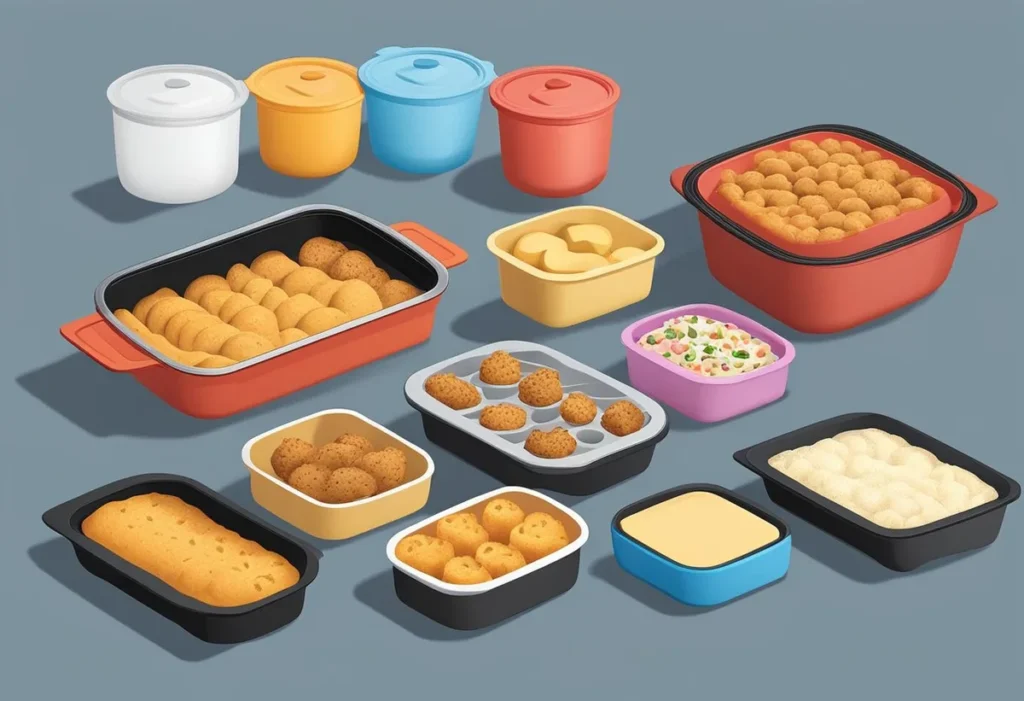
You bought the air fryer for the crispiness, not for a pile of shattered glass and a ruined dinner. So, what containers can you use in an air fryer without worrying if your kitchen is about to look like a crime scene? The answer is actually a bit more specific than just “oven-safe.” The good news is that most of us already own cookware that works perfectly fine, but there’s a very narrow set of rules about plastic and glass you can’t skip.
Since your machine is essentially a high-velocity convection oven pushing heat past 450°F in some cases, the material science has to be right. Standard kitchen glass and thin plastic Tupperware are a potential environmental hazard in that environment, so let’s break down exactly what survives the fan and what turns into a disaster.
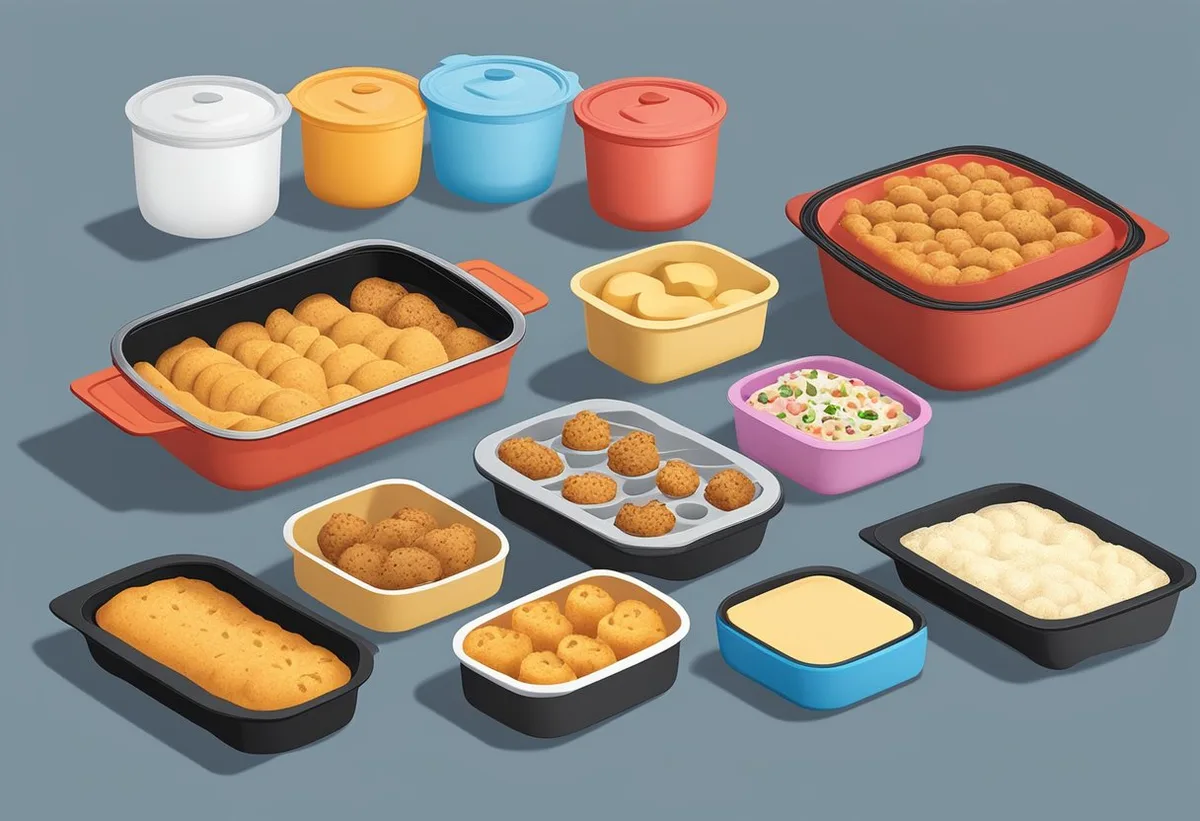
Image source: Web (Bing) / bestbakingtips.com (Web image (fair-use with source credit))
Quick Answer
- Metal is always safe.
- Silicone is safe if rated.
- Oven-safe glass works, but it needs careful handling.
- Plastic and thin glass are an absolute no-go.
- Ceramic is safe only if it’s glazed and intact.
Why This Matters More Than You Think
Every year, air fryers get returned or cause kitchen injuries because someone ignored the material safety of their containers. The real culprit is thermal shock, which happens when glass or ceramic expands at different rates. The heating element cycles on and off, but the fan blasts air directly onto the container, creating stress.
If the temperature difference is too great, the glass doesn’t bend; it explodes.
Melted plastic is another horror story. It doesn’t just look bad, it releases toxic fumes and permanently ruins the non-stick coating inside your machine. The stakes are high, but the solution is simple: match the container’s material to its heat tolerance.
That also means understanding that “convection oven safe” doesn’t automatically equal “safe in this specific fan-forced chamber,” which is why we need to look at the actual makeup of the cookware before you hit the preheat button.
The Golden Rule: If It Works in an Oven, It Works in an Air Fryer (Mostly)
The basic rule is straightforward: if you can put it in a conventional oven at 400°F without it cracking or melting, you can use it in an air fryer. But there’s a catch. Because an air fryer is so much faster at circulating heat, the temperature distribution is less forgiving than you might think.
I recommend checking the bottom of your cookware for an “oven-safe” stamp. If it doesn’t have one, don’t risk it.
The Complete Breakdown of Air Fryer-Safe Containers
Metal Cookware: The Reliable Workhorse
I almost always reach for metal when I’m cooking in an air fryer. Metals like steel, aluminum, and cast iron have excellent thermal conductivity, meaning they heat up fast and evenly. They handle the dry air and high heat without any risk of warping or off-gassing.
If you want that deep, brown sear on a steak or a perfect char on your roasted vegetables, metal is your best friend.
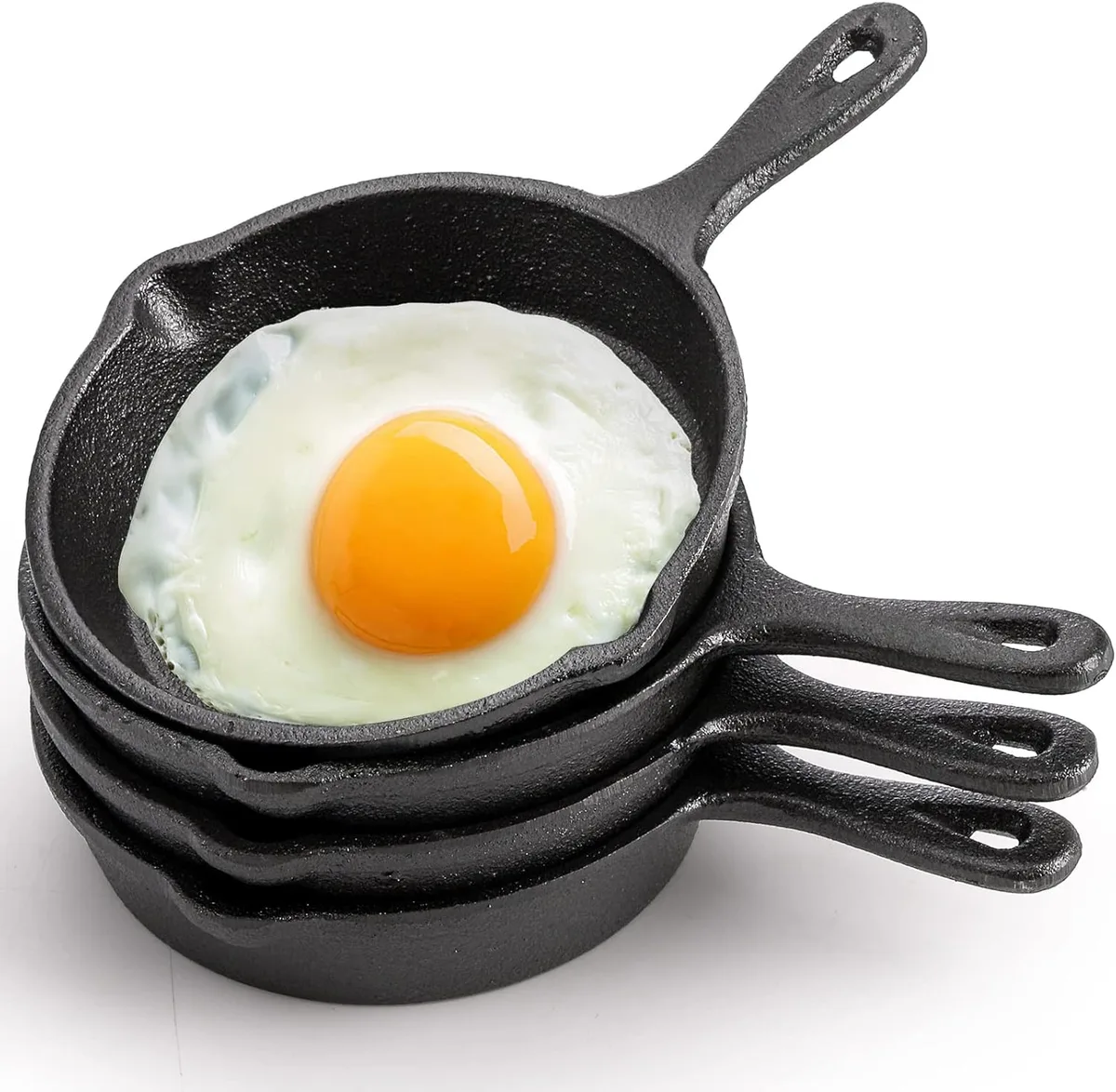
Image source: Web (Bing) / amazon.ca (Web image (fair-use with source credit))
Oven-Safe Glass: High Reward, High Caution
Glass feels safe, but it’s actually the riskiest category here. For glass to be safe, it needs to be explicitly labeled as oven-safe, usually with a temperature rating of 400°F or higher. Also, never place a cold glass dish into a hot air fryer basket.
The rapid temperature change causes the material to contract unevenly, which is why you see thermal shock cracks.
Ceramic Ramekins and Bakeware: Small but Mighty
Ceramic is a solid choice for individual portions like a personal cobbler or a gooey egg casserole. The trick is to ensure the ceramic is glazed and free of any cracks or chips. A crack is a major weak point that can shatter under rapid temperature changes.
Place it on a rack, but give it a good 10 to 15 minutes at room temperature to let it acclimate first.
Silicone Molds and Liners: The Flexible Option
Silicone has a lot going for it: it’s flexible, non-stick, and often dishwasher-safe. You can pop a silicone muffin cup into the basket for easy egg bites. The only trade-off is that silicone is a great insulator, which means it doesn’t conduct heat as well as metal.
This is perfect for custards and bakes, but don’t expect the bottoms of your food to get as crispy as they would on a metal surface. Just ensure it’s 100% food-grade silicone and not a blend.
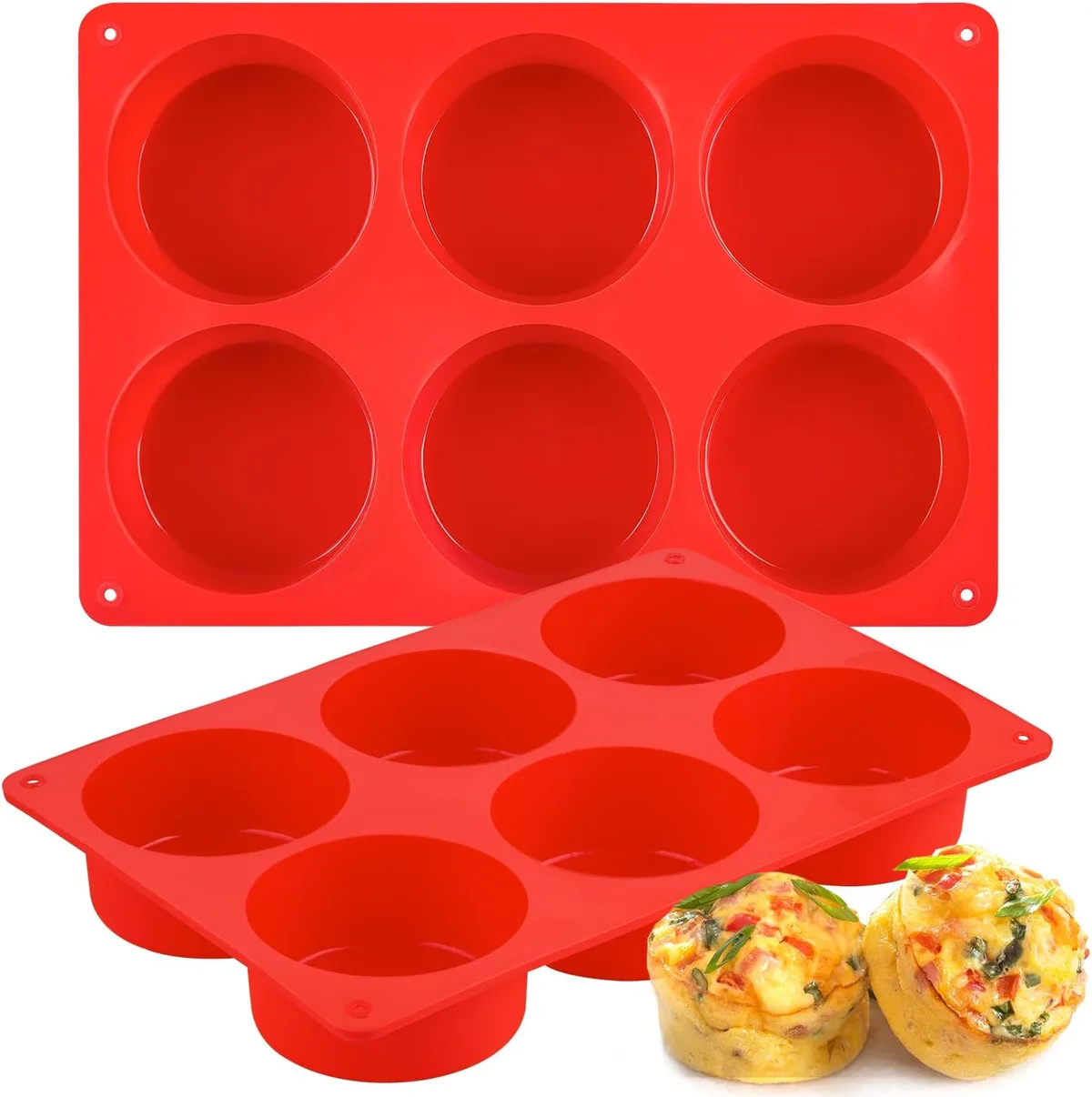
Image source: Web (Bing) / amazon.com (Web image (fair-use with source credit))
Cast Iron and Aluminum Pans: Small Batch Champions
A small 6-inch cast iron skillet is a gloriously versatile tool in an air fryer. Those mini skillets can fit snugly inside, and they hold heat like nobody’s business, giving you a beautiful sear without dropping the unit’s temperature. Similarly, aluminum cake or pie pans are great for baking sweet potato wedges or cornbread, ensuring even cooking without the mess.
In fact, heavy-duty metal bakeware rarely causes problems, making it a much safer bet than glass for beginners.
The “Gray Area” Containers That Confuse Everyone
There are a few common items people always ask about: disposable aluminum foil pans and parchment paper. Disposable foil pans are fine, but they are so light that the air fryer’s fan can cause them to fly around and flap, which can easily hit the heating element. If you use them, make sure they are filled with food or weigh them down.
As for parchment paper, it’s a fire hazard if it blows around and catches the heating element, so if you use it, make sure it’s weighted down.
Dangerous to Your Air Fryer: The Absolute No-Go List
If glass is a “careful” and plastic is a “no,” there is a category for things that should never see the inside of your machine. Besides the obvious plastic takeout containers, be careful with any plastic that isn’t explicitly labeled as heat-resistant.
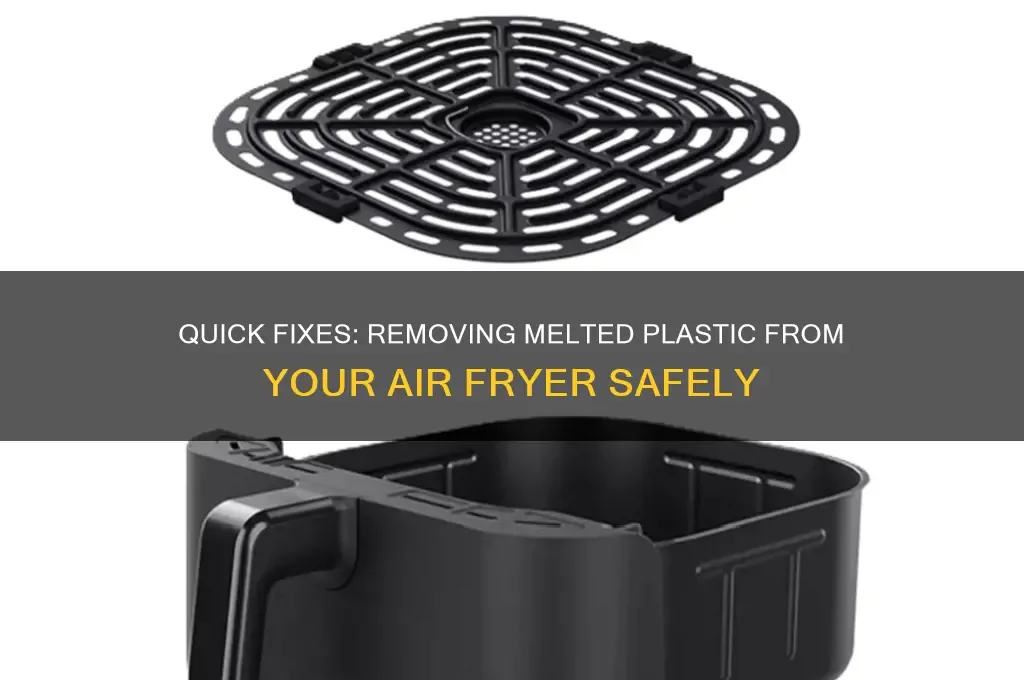
Image source: Web (Bing) / shunpoly.com (Web image (fair-use with source credit))
Avoid anything resembling these like the plague:
- Brittle glass: Mason jars, drinking glasses, mugs. Most aren’t tempered for high heat.
- Plastic wrap: It will melt instantly. Keep it away.
- Wet paper or cardboard: While not a container per se, heavily soaked parchment paper or paper plates can be a significant fire hazard.
Air Fryer Containers vs. Your Cooking Goals: Which Should You Choose?
Here’s the thing: your choice of container should start with how you want your food to come out. If you want a crispy, deep-brown crust on a steak, you need bare metal. If you’re baking a delicate custard, you want silicone for gentle, even steaming.
Glass is the middle ground, best for casseroles where you want even heating without the risk of burning.
The material matters more than the size, but size also plays a role. Your container must fit inside the basket without blocking the air vents. I recommend at least a half-inch of space on all sides to let hot air circulate freely.
If you trap the air flow, the food gets soggy and the exterior doesn’t crisp up. Think of it like a data bus, you need clear lanes for traffic to move efficiently.
How to Cook with Containers in an Air Fryer (Without Ruining Them)
The rules for success are simple: prepare, place, and check. Always preheat your air fryer first if the recipe calls for it. Then place your container directly onto the rack inside the basket.
Avoid using a spatula that might scratch a non-stick surface.
You’ll also need to adjust your cooking times. Because a container adds a layer of insulation, food often takes 10% to 15% longer to cook through. For example, a liquid-heavy casserole in a glass dish may need an extra five minutes compared to the same recipe on a bare metal tray.
Use an instant-read thermometer to check for doneness, not just the clock.
Remove the container carefully when it’s done. The handles will be scorching hot, and the contents will be bubbling. Set it on a heat-safe trivet and let it rest for a few minutes.
It will finish cooking and the juices will redistribute, which is exactly what you want in a dish like a pot pie.
What to Do When Things Go Wrong (Other Than Crying)
Even with the best preparation, things can go sideways. If you see a crack form in your glass dish, shut off the air fryer immediately and carefully pull it out using thick oven mitts. Do not place it on a cold counter, it could shatter.
Let it cool down naturally.
Melted plastic is a much more serious issue. Do not try to remove the plastic from a hot fryer with your hands. Turn off the unit and unplug it.
Allow the plastic to cool and harden completely for a few hours, then gently chip it away with a plastic scraper. Aggressive scrubbing can damage the non-stick basket, so be gentle.
Common Mistakes to Avoid: A Handy Guide to Not Ruining Your Kitchenware
This is the part where I share what the research says about why things go wrong. The biggest issue is using a warm dish from a hot basket and placing it in cold water. The sudden temperature change is almost as bad as going from freezer to fryer, and it causes almost all thermal stress fractures.
Skipping the preheat is another common issue. Place a room-temperature ceramic ramekin on a hot rack without preheating the basket, and you invite thermal shock. Always put the dish on a solid, even surface and avoid sudden jerky movements.
Also, never use metal tongs or forks to handle the container, as they can scratch and weaken the seal on metallic finishes or non-stick surfaces.
The Three-Quarters Full Rule and Other Pro Tips
The single best rule I can give you: never fill a container to the very top. Leave at least a quarter of the container empty to account for expansion and splattering. This works especially well for baked goods that rise.
Hot fat and syrupy sauces bubble up, and if there’s no space, they’ll boil over and create a sticky mess.
Here are some additional tips that the manufacturers of oven-safe containers consistently share:
- Always preheat the basket for at least 3 minutes before adding the container.
- Use a trivet or a high-temperature silicone mat under the basket to protect your countertops.
- For baked goods, turn the pan 180 degrees halfway through the cooking time to ensure even browning.
- Clean your containers carefully with mild detergent and a gentle sponge; the dishwasher will shorten their lifespan.
Following these rules transforms your air fryer into a true countertop oven that can handle everything from a single-serve lasagna to a crusty focaccia.
So, What Should You Actually Use?
With the material science, cooking methods, and safety rules covered, it’s time to make a clear decision tree for your next meal prep session. The best choice really comes down to what you’re cooking and how much effort you want to put into cleaning up.
If you want a perfect crust on a steak or a golden-brown, crispy edge on french fries, bare metal is the only way to go. Cast iron or steel gives that direct heat transfer and promotes browning through the Maillard reaction. Toss in some butter and herbs, and you get that deep, savory crust that no air fryer liner can replicate.
Muffin cups are the go-to choice for meal-preppers who value convenience and clean eating. They’re perfect for baking egg bites, mini frittatas, or even making a single-serve chocolate cake right in the basket. Hand washing is simple, and if you use a silicone liner, you can just pop the leftovers right in the fridge.
Just make sure you’re not compromising on air circulation, so don’t overfill the basket.
For casseroles and baking, a glass or ceramic dish is your best friend because it cooks food gently and heats evenly. This is great for cooking proteins or defrosting frozen meat, take the chill off and watch the time. When you’re in a pinch and need that meal to taste more “home-cooked,” glass helps lock in moisture and creates a perfectly tender texture.
Frequently Asked Questions
Can I use a glass container in an air fryer?
Yes, you can use oven-safe glass containers in an air fryer. The glass must be labeled “heat-safe” or “oven-safe,” typically rated above 425°F. Preheat the unit before placing the cold glass inside to prevent thermal shock.
Pyrex and similar borosilicate glass are usually fine, but always check for chips or cracks. Never place chilled glass into a hot machine.
What is the maximum temperature for an air fryer with a container?
The maximum safe temperature varies by material, but most air fryers top out around 400°F to 450°F. For metal and silicone, you have a lot of headroom, as they can usually handle up to 500°F. For glass and ceramic, stay under 425°F to be safe.
Always adhere to the lower of the two temperatures between the basket and the container.
Why does my food stay raw on the bottom when using a dish?
If food sits flat on the bottom of a container, it can’t get proper air circulation, which means no crispy texture. The hot air hits the top but can’t get underneath. Use a trivet or a wire rack inside your pan to lift the food.
Alternatively, shake the basket or flip your food halfway through the cooking time.
Are silicone muffin cups better than paper ones in an air fryer?
Yes, silicone muffin cups are reusable, non-stick, and hold their shape well in the air fryer. They don’t absorb the grease, which can make the bottoms of your muffins soggy. They come in different colors and are easy to clean, making them a solid choice for high-heat cooking.
Is it safe to put a cast iron skillet in the air fryer?
Absolutely, as long as it fits and leaves room for air to circulate. The weight of the cast iron holds down the food while allowing even heat conduction. Use a small 6-inch skillet for sauces or a mini skillet for a perfect single-serve brownie.
Just remember that the pan gets very hot, so use a good pair of oven mitts or a silicone handle cover.
This guide now gives you the full picture. Choose your container based on the texture you want, always leave space for airflow, and never risk a cold glass dish in a hot basket. Now go make something delicious.


