

If you’ve ever typed “how long does an air fryer last” into a search bar, you probably already know the internet’s answer is a mess. One forum says “mine died in eight months.” Another comment brags about a seven-year workhorse. Both can be true.
That huge gap isn’t random, though. It tracks almost perfectly with a handful of everyday habits and choices. According to aggregated user reports and appliance repair data, the typical air fryer lands somewhere between three and six years.
But that midpoint hides more than it reveals. Let’s walk through the real variables so you can see exactly where your own machine will land.

Image source: Web (Bing) / storage.googleapis.com
Quick Answer
An air fryer’s lifespan usually runs from 2 to 8 years. Light use and gentle cleaning push it toward the upper end. Heavy daily cooking, harsh scrubbers, and blocked vents cut it short.
Most households can expect 3 to 6 years of reliable service.
Why a Single-Lifespan Number Is Misleading
A generic “three to five years” doesn’t account for your habits, your recipes, or the specific air fryer sitting on your counter. It also doesn’t distinguish between the deep-fryer-shaped basket model and the toaster-oven hybrid that some brands call an air fryer. Those two designs fail in completely different ways.
What actually determines longevity is a chain of decisions, not a single part. Buying a cheap unit but using it gently can outlast an expensive one that’s constantly choked with grease. Knowing which weak points matter for your style of cooking matters far more than memorising an average number.
The Variables That Determine Your Air Fryer’s Real Lifespan
Every air fryer breakdown can be traced back to a handful of root causes. Some are baked into the design you chose. Others are the direct result of what lands in the basket day after day.
Once you understand these five factors, the lifespan range stops feeling like a gamble and becomes something you can actually predict.
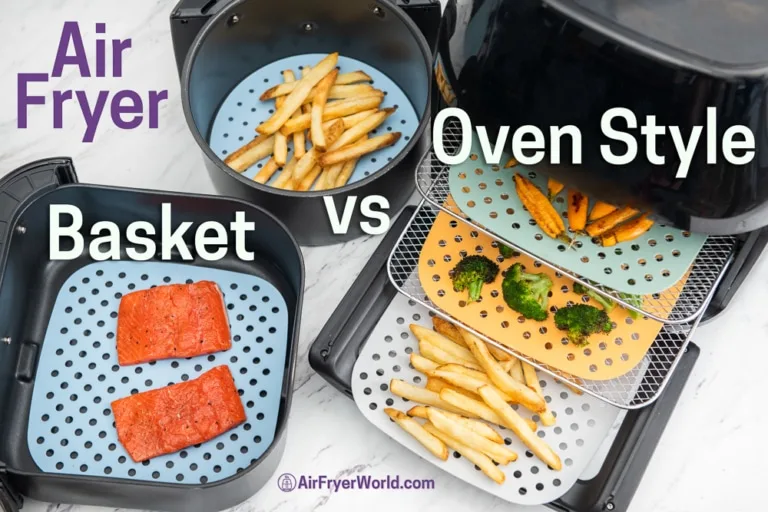
Image source: Bing (Web (fair-use with source credit))
Basket vs. Oven-Style Air Fryer: Different Failure Points
The classic basket air fryer uses a pull-out drawer and a top-mounted heating element. Its most common failure is a peeling non-stick coating on the basket. The second is a microswitch that stops working when the drawer no longer seats perfectly.
Both are usually the result of daily friction and cleaning wear.
An oven-style air fryer works more like a mini convection oven. Here, the heating elements and fan are often better protected. But the door hinges, internal gaskets, and digital control panel take the brunt of the abuse.
A door that won’t close fully leads to heat loss, which forces the unit to work harder and overheat. The fan motor in these models also runs longer per session, so its bearing life matters more. If you cook in an oven-style unit daily, expect the hinge or the fan to be your first headache.
Analog Dials vs. Digital Controls: Simplicity vs. Fragility
Mechanical timer dials are dumb tech that survives shockingly well. A simple spring-loaded knob can last through tens of thousands of cycles without drifting out of calibration. Even if the markings rub off, the clockwork inside keeps turning.
When they fail, it’s usually gradual: you’ll notice the timer runs a little shorter than expected long before it stops working entirely.
Digital touchscreens bring precision but introduce a control board that hates moisture and heat. Steam from frozen foods can migrate into the panel housing and corrode connections. A digital air fryer that suddenly refuses to turn on, or flashes error codes after a year, almost always has board damage.
That’s the single biggest point of failure in mid-range digital models, so keeping the panel dry matters far more than most people realise.
How Often (and What) You Cook: The Real Wear Accelerator
Cooking frequency matters less than cooking load. Running the air fryer twice a day for 12 minutes each time to reheat a single portion is far gentler on the appliance than a single 25-minute session packed with chicken wings. A full basket forces the fan to work harder to push hot air around dense food.
That fan motor carries a finite number of runtime hours. The harder it works, the faster those hours burn up.
What you cook matters just as much. High-fat foods like bacon, sausages, or skin-on chicken thighs produce far more airborne grease than potato wedges. That grease coats the heating element, the fan blades, and the upper interior.
Over time, the buildup insulates the element, makes it run hotter, and shortens its life. A machine used exclusively for frozen fries and vegetable sides will almost always outlast one that sees bacon every weekend.
Your Cleaning Routine and Non-Stick Coating Care
Manufacturer specifications consistently point to cleaning as the single biggest lifespan lever. A quick wipedown after every use prevents baked-on carbon from turning into a difficult, abrasive scrub later. The non-stick basket coating is only microns thick.
Metal utensils, harsh sponges, and aerosol cooking sprays containing soy lecithin all degrade it faster than almost anything else.
Once that coating starts to flake, the basket becomes harder to clean. That leads to rougher scrubbing, which accelerates the flaking. It’s a spiral.
At the opposite end, using a reusable silicone liner can dramatically reduce direct contact between food, grease, and the basket surface. That alone can add years to a basket’s usable life. The heating element and fan area need attention too.
A monthly cleaning of the upper cavity with a damp, non-abrasive cloth keeps the fan blades from turning into greasy weights that strain the motor.
Build Quality and Brand: What Your Dollars Actually Buy
Budget air fryers under $60 often use thinner-gauge metals for the basket, lower-quality non-stick coatings, and simpler fan motors. That doesn’t make them a bad choice. In a household that cooks three times a week and cleans gently, they can still serve for five years.
The cost saving becomes a win.
Spending $120 to $180 typically buys a thicker basket, a more durable ceramic coating, a better-sealed digital panel, and a fan motor rated for more hours. Premium models from brands with a longer warranty history also tend to have replacement parts available. That’s a key consideration: being able to swap a failed basket or heating element assembly for $30 instead of junking the whole machine transforms a two-year lifespan into a seven-year one.
Warranty length offers a clue. Most budget units carry one year. A two-year warranty signals that the manufacturer’s own reliability testing showed enough confidence to cover more cycles.
When durability is the priority, that second year of coverage isn’t a perk. It’s a minimum bar.
Matching Your Variables to a Realistic Lifespan Range
Now that we’ve mapped the variables, we can place real numbers against different use profiles. No two kitchens are identical. But a handful of common scenarios cover the vast majority of households.
| Use Profile | Typical Lifespan | Most Likely Failure Point |
|---|---|---|
| Light use, analog, cleaned after every cook | 6 to 8 years | Mechanical timer finally drifts out of spec |
| Moderate use, digital, good care | 4 to 6 years | Control board moisture damage around year 5 |
| Heavy daily use, high-fat foods, basket model | 2 to 4 years | Non-stick coating failure, then basket replacement |
| Heavy daily use, oven-style unit | 3 to 5 years | Fan motor bearing wear or door hinge misalignment |
| Budget model, cleaned occasionally | 1.5 to 3 years | Coating peel, then overheating and auto-shutoff |
If your own routine falls somewhere between two rows, split the difference. A moderate-use household that cooks bacon regularly will edge toward the three or four-year mark. A heavy-use cook who avoids spray oils and deep-cleans the element monthly can push a mid-tier unit past the five-year mark.
The real takeaway is this: a machine’s lifespan is less about the brand name on the box and more about how far you drift from the “manufacturer assumes gentle use” baseline the warranty was written around.
Signs Your Air Fryer Is Nearing the End
Most air fryers don’t die suddenly. They give warning signs that get worse over weeks or months. Catching them early often means you can fix a small problem before it cascades into a dead appliance.
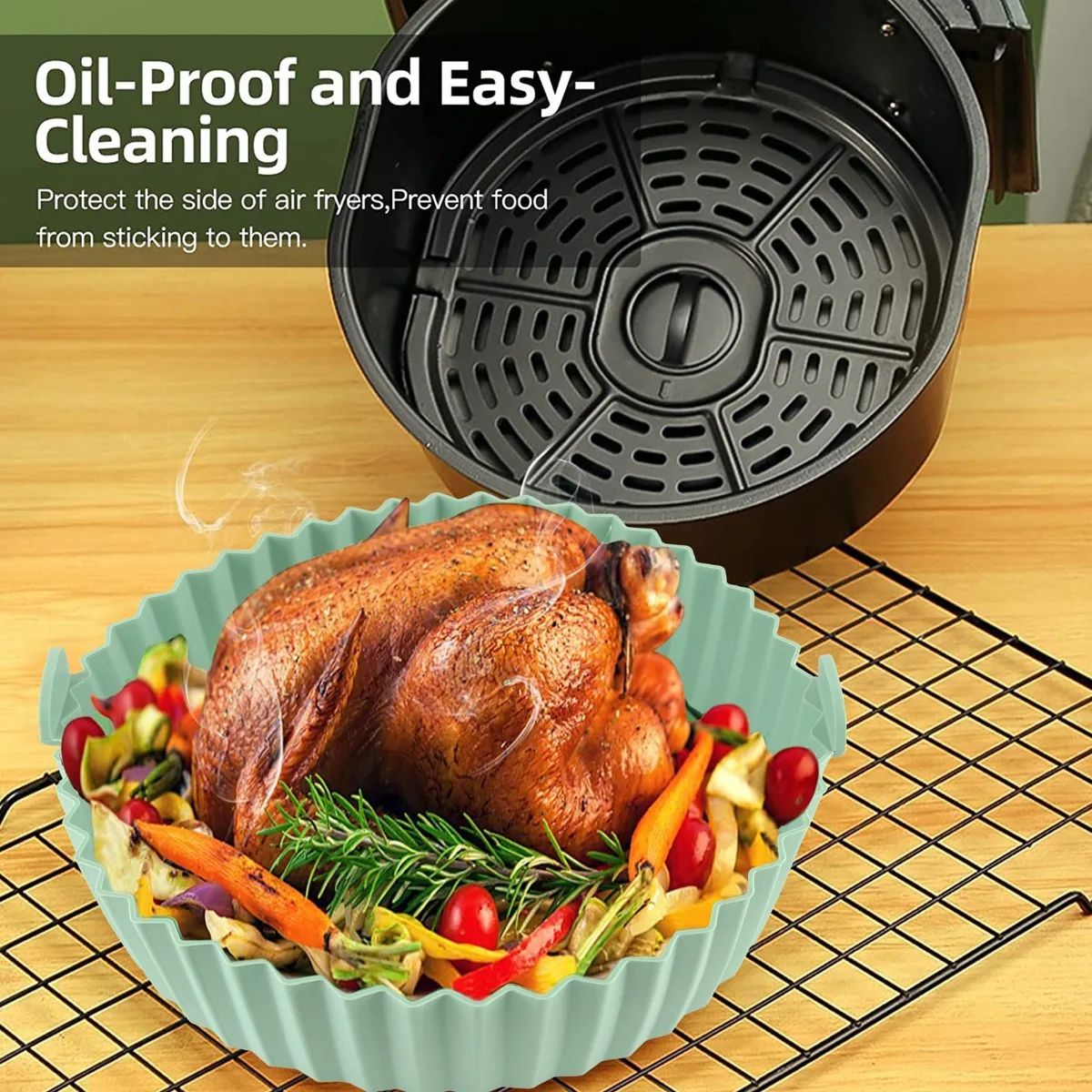
Image source: Web (Bing) / jmchengfu.en.made-in-china.com
Flaking or peeling inside the basket is the most visible red flag. Once patches of bare metal show through, the basket is no longer safe or effective. Replacement baskets are available for many models.
That’s a $25 to $40 repair that instantly resets the clock. But ignoring it means flakes can fall onto the heating element, create hot spots, and eventually cause the element to burn out.
A heating element that takes noticeably longer to reach temperature is another reliable signal. When preheating that used to take three minutes suddenly takes six, the element has likely thinned from constant thermal cycling or has a layer of carbonised grease acting as an insulator. A fan that’s become noticeably louder, rattles, or pulses unevenly points to failing motor bearings.
That noise rarely goes away on its own. It only gets worse until the fan seizes completely.
The most serious warning sign is frequent overheating or the unit shutting itself off mid-cycle. Modern air fryers have thermal fuses designed to trip as a safety measure. If that happens repeatedly, there’s a genuine fire risk.
The Consumer Product Safety Commission has issued recalls for air fryer models that overheated and caused fires. A unit that can’t hold a safe temperature any longer needs to be unplugged and retired, not repaired.
Digital panel glitches such as flickering displays, unresponsive buttons, or error codes that clear on a power cycle are early signs of board degradation. They can sometimes be managed by keeping the panel dry and cool. But once the contacts start corroding, the problem usually spreads until the board needs replacement.
That’s rarely economical on a budget model.
How to Squeeze Extra Years Out of Any Model
Whether you own a $40 compact or a $200 dual-basket machine, a few consistent habits will stretch its life further than most people realise.
Wipe the basket and the cavity after every single cook. It takes thirty seconds when the residue is still warm and soft. That tiny effort stops grease from polymerising into a hard, carbonised layer that requires aggressive scrubbing to remove later.
Never use aerosol cooking sprays inside the basket. Most contain soy lecithin, an emulsifier that bonds to non-stick coatings and creates a sticky buildup that’s almost impossible to clean without damaging the surface. Use a refillable oil mister with pure oil instead.
A silicone liner provides a physical barrier that further reduces wear on the coating.
Give the unit proper breathing room. The user manual almost always specifies five or six inches of clearance at the back and top. Ignoring that because you want to tuck it under a cabinet forces hot exhaust air to recirculate into the machine.
That overheats the electronics and the fan motor. It’s a slow, cumulative damage that proper ventilation clearance can entirely prevent.
Once a month, unplug the air fryer and inspect the heating element and fan area. Use a damp cloth to wipe away any visible grease residue. For heavy buildup, a paste of baking soda and water applied gently with a soft brush works without the abrasives that damage coatings and wiring insulation.
A clean element heats faster and a clean fan runs quieter.
Don’t drag the basket across the counter. The drawer rails and the microswitch that detects the closed basket rely on careful alignment. Banging it around eventually causes connection issues that can leave the unit dead even though the heating element is fine.
Finally, store the air fryer with the drawer slightly open. Keeping the basket clamped shut against the seal compresses the gasket constantly and traps any residual moisture inside. That accelerates both seal degradation and internal corrosion.
A finger-width gap is all it takes to let the cavity breathe.
The 5 Biggest Mistakes That Slash an Air Fryer’s Life Short
Most shortened lifespans come down to a handful of repeated errors. Each one is avoidable, yet aggregate repair data shows they show up season after season.
1. Scrubbing the basket with anything abrasive. A steel wool pad or harsh scouring sponge can strip the non-stick coating in a single cleaning session. Once the surface is compromised, food sticks, cleaning gets harder, and the downward spiral starts.
2. Using aerosol spray oils regularly. As mentioned earlier, soy lecithin in most cooking sprays forms a gummy residue that bonds to the coating. Switch to a pump mister with pure avocado or olive oil.
3. Blocking the rear vents. Pushing the air fryer flush against a backsplash traps hot exhaust. The internal temperature climbs beyond design limits, cooking the control board and fan motor over time.
4. Never cleaning the upper heating area. Grease accumulates on the element and fan blades silently. Eventually it insulates the element and strains the motor, cutting performance and lifespan in half.
5. Ignoring a sluggish preheat or noisy fan. Both are early warning signs. Waiting until the machine stops working entirely often turns a $30 part replacement into a full unit replacement.
Repair or Replace? A Step-by-Step Decision Guide
A failing air fryer doesn’t always mean a trip to the landfill. The right call depends on which component is failing, the unit’s original cost, and whether safe repair parts exist.
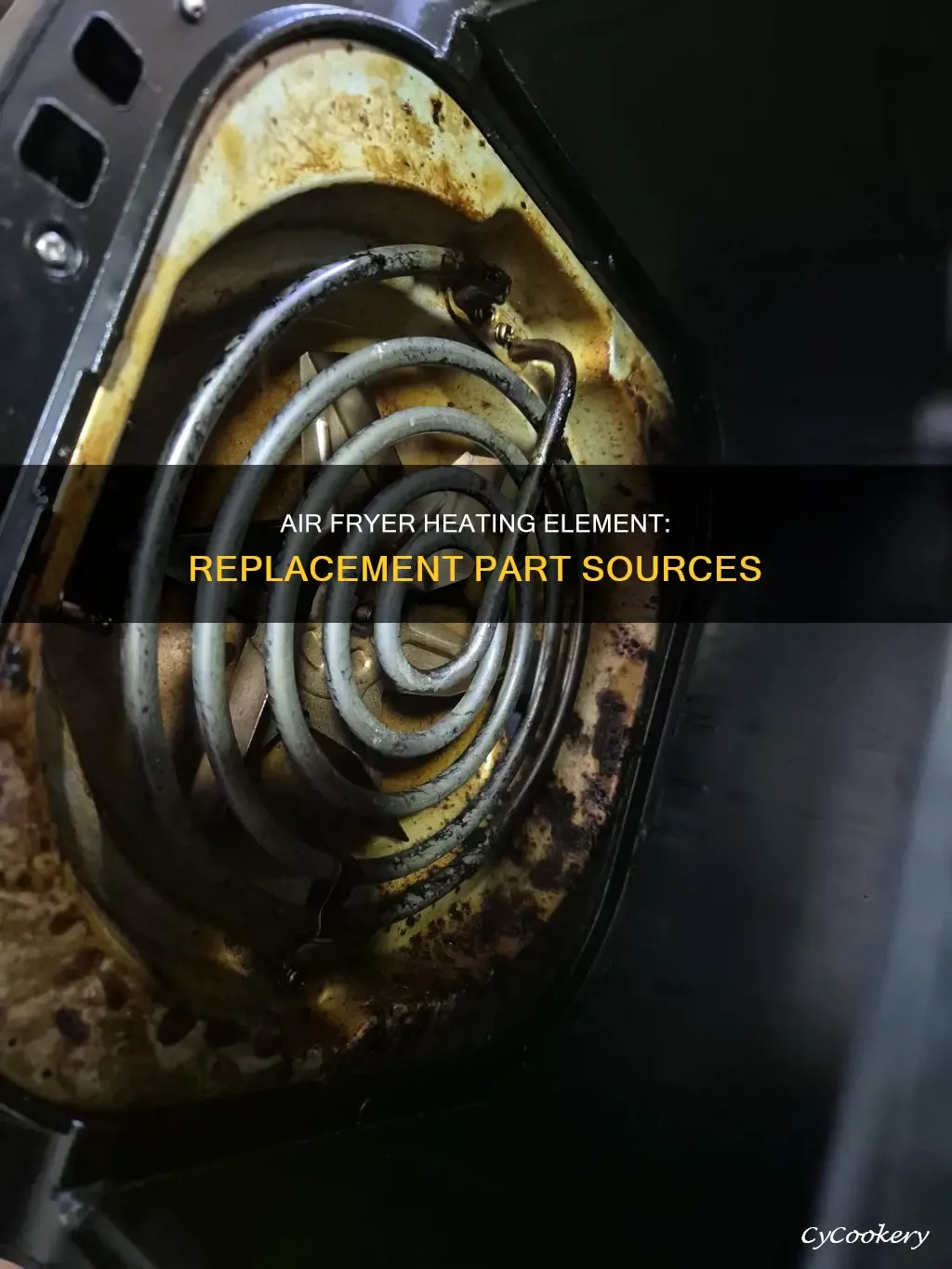
Image source: Web (Bing) / cycookery.com
Start by identifying the exact problem. Is the basket coating flaking? A replacement basket costs little and extends the machine’s life by years.
Is the digital panel flickering? That’s trickier. Control boards are rarely sold to consumers and cost nearly as much as a new budget unit.
For mechanical failures like a broken timer dial or a faulty microswitch in the drawer, a repair can make sense if the unit is out of warranty but otherwise in good shape. Fan motor replacements are more involved. Many motors aren’t user-serviceable, and labour often exceeds the machine’s value.
Safety is the hard stop. If the unit has tripped its thermal fuse more than once, or if the power cord shows any damage at the strain relief, stop. Retire it.
No repair is worth a fire risk. The same goes for any model with a recall flag from the Consumer Product Safety Commission.
As a rule of thumb: if you bought the air fryer for under $60 and it’s two years old, replacement is usually the better move. If you paid $150 or more and a genuine manufacturer part exists for under $40, repair it. That single decision can double the usable life of the appliance.
Quick Answers to Long-Lasting Air Fryer Questions
Can an air fryer last 10 years?
Yes, but only in a light-use household where the basket is hand-washed gently and the upper cavity stays clean.
Does brand really matter for longevity?
It matters less than care habits. Still, brands offering a two-year warranty and accessible replacement parts tend to outlast generic budget models.
Is it worth fixing a peeling basket?
Almost always. A new basket costs $25 to $40 and solves the most common endpoint for basket-style air fryers.
How do I know if my air fryer is a fire hazard?
Frequent auto-shutoffs, a burning smell even when clean, or a power cord that feels hot at the plug are all serious red flags. Unplug it immediately.
Does preheating wear out the air fryer faster?
It uses a few extra minutes of element and fan runtime. That’s negligible compared to the damage from cooking at full capacity for long stretches. Preheat if the recipe calls for it.
Are air fryer liners helpful or harmful for lifespan?
A protective silicone liner reduces direct abrasion and grease contact, helping the basket coating survive longer. Just avoid paper liners that can block airflow and cause the fan to overwork.
Final Verdict: Keep Cooking or Upgrade?
The decision to keep nursing an old air fryer along or to buy a new one isn’t about hitting some magic year. It’s about whether the unit still heats evenly, holds temperature, and passes a basic safety check. If the answer is yes, a little maintenance can easily carry you past the seven-year mark.
If the coating is gone, the fan is groaning, and the plug gets hot, it’s time.
When you do upgrade, let the failure mode of your old machine guide the purchase. A fried control board suggests a model with better panel sealing. A peeling basket points toward a ceramic-coated design.
Proper countertop ventilation remains non-negotiable regardless of what’s next on your counter.
Ultimately, the machine that lasts longest is the one whose owner treats it less like a toaster and more like a piece of cooking equipment that needs consistent, gentle care. That’s the real secret behind every air fryer that’s still running strong years past the warranty expiration.


