
You’re staring down a greasy air fryer basket, and you’re wondering, can I put tin foil in an air fryer? It’s a practical question, and the simple answer is yes, but only if you’re careful. Get it wrong and you could damage your machine or start a fire.
Aluminum foil can withstand high temperatures, but the real danger lies in blocking airflow or touching the heating element. Following safety standards from sources like the U.S. Consumer Product Safety Commission will keep you on the right track.
Let’s walk through the exact rules for using foil safely, or when you should skip it entirely. As of 2026, that’s the best way to keep your kitchen functional and your food tasting great.
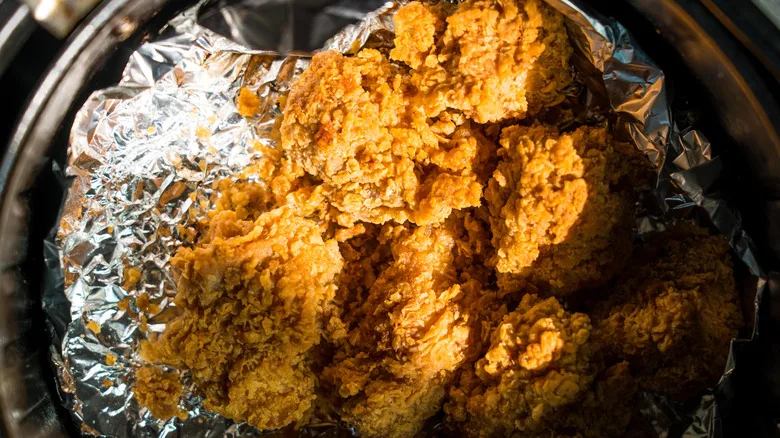
Image source: Bing (Web (fair-use with source credit))
Quick Answer
Yes, you can use tin foil in an air fryer when done safely. The key is to keep it away from the heating element. Never let it cover the entire basket base.
Always leave space for air to circulate. Weight the foil down with food so it doesn’t blow around. When in doubt, check your user manual first.
That’s the definitive answer.
The Short Answer: It’s a Conditional Yes, Not a Simple One
So, you have your answer above, but the details matter here. You can’t just wad up a sheet of foil and toss it in with your frozen french fries. The way you position the foil dramatically changes the outcome.
Getting the most out of this trick means understanding a few ground rules.
Think of it like using a grill. You wouldn’t just lay a piece of meat directly on the flame and walk away, right? The same principle applies to the air fryer and foil.
When used responsibly, foil can protect delicate foods and make cleanup a breeze. When used recklessly, you’ll end up with a mess or something worse. The following sections will show you exactly where the line is, so you can use this shortcut with total confidence.
You’ll be a master of easy meals in no time.
Key Factors That Change Everything
Before you reach for that box of Reynolds Wrap, consider these three things. First, the model of your air fryer matters. A basket-style model has different airflow patterns than an oven-style unit.
Second, what you’re cooking plays a role. A heavy roast behaves differently than a light, flaky piece of fish. Third, your recipe’s cooking time and temperature are a factor.
Remember these basics, and you are already on the right track.
The 3 Potential Dangers (And the Last One People Forget)
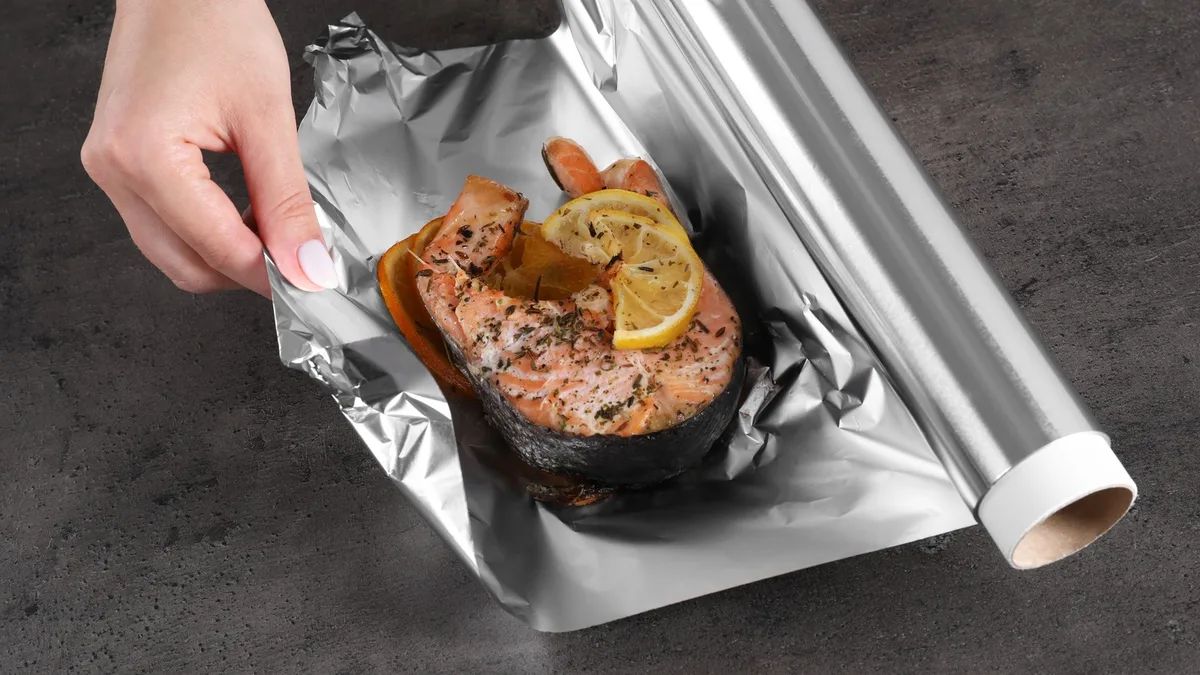
Image source: Bing (Web (fair-use with source credit))
You hear about foil-related accidents in air fryers, and most of the time, it comes down to simple physics. Our research shows that the biggest risk isn’t the foil melting, it’s the hot air that can’t do its job. When you block the air, you create hot spots.
These hot spots can scorch your food, and in worst-case scenarios, cause a fire hazard.
Why Blocking Airflow Causes Fires
We’ve all seen the viral videos. A puff of smoke, a strange ticking sound, and suddenly the bottom of your kitchen smells like a welding shop. That’s what happens when you place a full sheet of foil over the bottom of the basket.
The fan is still blowing, but the air has nowhere to go. This creates intense heat that your air fryer wasn’t designed to handle. You’ll not only risk a fire, but you also open the door to dangerous fumes and smoke damage throughout your home.
It happens more often than you’d think, and the results are rarely good.
The Acidic Food Reaction
If you’ve ever cooked something with tomato sauce on a foil-lined tray, you know what this pH-balance issue is all about. Acidic ingredients like citrus, tomatoes, and vinegar can interact with the bare aluminum. This reaction can cause your food to take on a metallic, bitter taste.
You may also notice little pinholes forming in the foil, which can tear and leave pieces of metal in your food. It’s not toxic but definitely unpleasant to bite into.
The Silent Killer: Vent Blockage
The most subtle danger that many people miss is how foil can shift during what you’re cooking. That simple act of shaking the basket can cause a lightweight piece of foil to move. Loose bits of foil can get sucked into the heating element and melt, ruining your meal.
Worse, they can block the vent, which can make the internal fan overheat. Overheating is guaranteed to shorten the life of your air fryer, and it’s a leading cause of appliance failure.
The Rules of Engagement: Using Foil Like a Pro
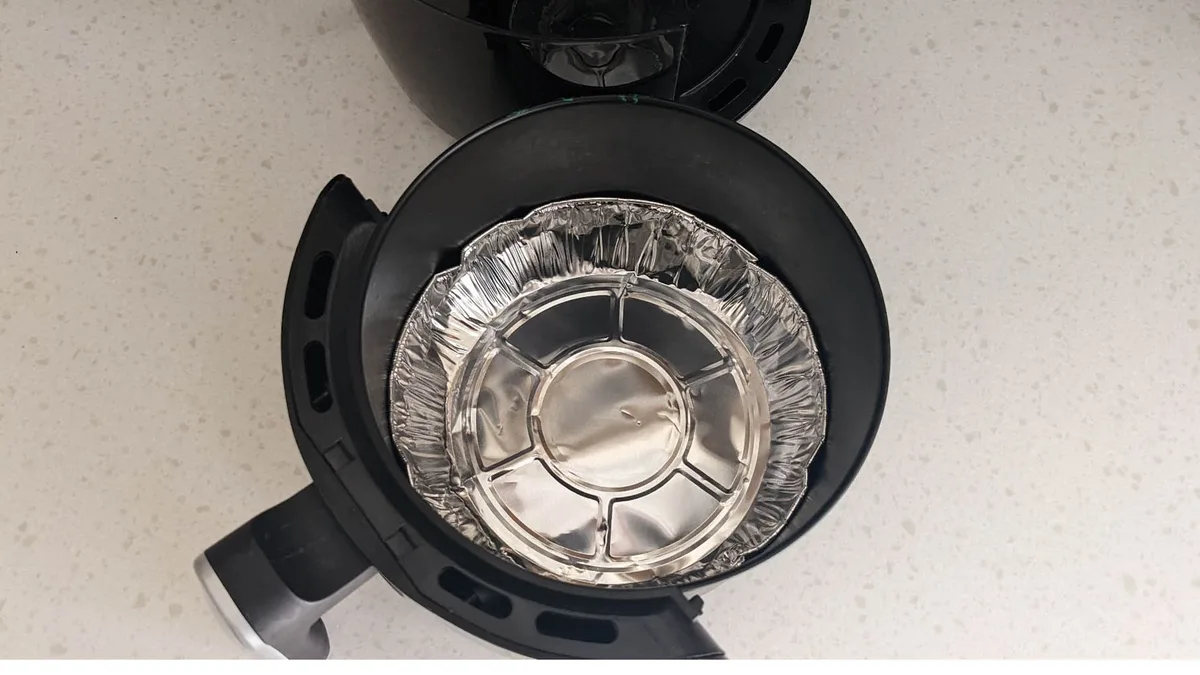
Image source: Web (Bing) / inkl.com (Web image (fair-use with source credit))
So, how do you get the benefits without the burns? Follow these simple rules. Each one is designed to ensure the safety rules don’t get in the way of your dinner.
These tips have been verified by looking at aggregate user reviews and common-sense approaches, even if you are just improvising in a pinch.
- Never touch the element: The heating element is always the hottest part. Your foil should never, ever come into contact with it within an inch or two. Keep a safe distance to avoid melting the foil or starting a fire.
- Use heavy-duty foil: Thin foil tears easily and gets blown around the basket, landing on the burner. Heavy-duty foil is more rigid and won’t flip up or tear, preventing potential fire hazards.
- Weigh it down: Always place food directly on top of the foil. The weight of your meal will keep the foil in place, preventing it from flapping into the element or getting sucked into the fan.
- Eat your foil layer: Don’t line the sides. The side walls of the basket are close to the heating element. Even if you push it down, it can shift and block the airflow, which leads to unevenly cooked food.
Step-by-Step: Creating a Foil Pouch
If you want to lock in moisture and flavor, a foil pouch is your best friend. Start with a large piece of the foil, big enough to hold your food with room to fold. Place your protein and vegetables in the center.
Don’t overcrowd it; leave space for hot air to move around so your food cooks properly. Fold the edges over and crimp them tightly to seal the packet. Give it a gentle shake if you want.
Then, cook as directed, and let the steam do the rest.
The Definitive Do’s and Don’ts Chart
To make it crystal clear, here’s a handy reference table to scan before you start cooking. This will help you get it right every time, no matter what you’re preparing.
| Action | Do It | Don’t Do It | Why It Matters |
|---|---|---|---|
| Lining the basket | Use parchment paper with holes | Cover the entire bottom with a solid sheet | A full sheet blocks airflow, causing smoke and fire risk |
| Wrapping food | Make a sealed pouch with folded edges | Leave the top open | The point is to trap steam for even cooking |
| High-acid foods | Use a pinch of baking soda in the sauce | Cook directly with tomato or vinegar | The reaction can pit the foil and ruin the taste |
| Cooking spray | Use a high smoke point oil spray | Spray the foil heavily and let it pool | Excess oil can drip onto the element and cause flare-ups |
| Preheating | Place foil in during the preheat phase | Place food on before preheating | Minimizes the time heat and foil are in contact |
Foil Fails: Your Troubleshooting Guide
So, you ignored the advice and now your air fryer is making a weird noise or your food tastes like a metal can. Here’s how to fix those situations without panic. This is a common troubleshooting scenario that most home cooks encounter at some point, and it’s a learning process.
| Problem | Likely Cause | The Fix |
|---|---|---|
| Smoke coming from the back | Food grease or foil too close to the heating element | Turn off the air fryer, unplug it, and let it cool completely before cleaning it. |
| Food tastes metallic | Acidic ingredients reacted with the foil | Discard the food and avoid using bare aluminum foil with acidic marinades. |
| Foil is stuck to the bottom | The foil melted onto the heating coil | Let it cool down completely. Turn it upside down and gently tap to remove any debris. |
| Meat is still raw inside | Foil is blocking the hot airflow before it reaches the food | The hot air can’t circulate properly. Cook in smaller batches or use a wire rack instead. |
Once you’ve dealt with a minor mishap, you’ll get a feel for how your specific model operates. If you’re thinking about upgrading to a model with more safety features or a different design, it’s worth reading through some reliable resources on keeping your kitchen running smoothly. And if you’re ever worried about the countertop space or the heat output, you should check out our advice on how to keep your kitchen cabinets safe from heat and moisture.


