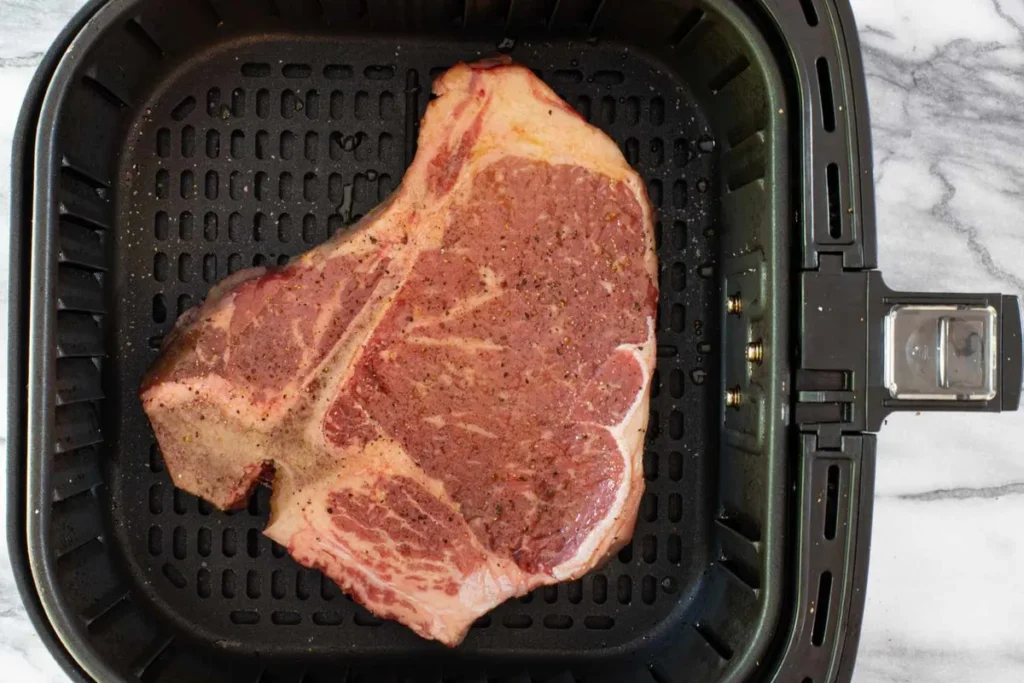
You can absolutely cook beef in an air fryer, but the answer only holds up if you match your method to your cut. A thick ribeye behaves one way. A lean eye of round roast behaves another.
A pound of crumbled ground beef is a different story entirely. The air fryer’s compact convection heat can deliver a fantastic crust in minutes, yet that same speed punishes anyone who treats all beef the same.
Per USDA guidelines, whole cuts like steaks and roasts need an internal temperature of 145°F with a three‑minute rest. Ground beef must reach 160°F. Manufacturer specs show most basket‑style air fryers top out around 400°F, and their small cavities intensify the drying effect of that rush of hot air.
Once you understand the four variables that drive every cook, you’ll stop guessing and start nailing the result your cut actually needs.
Quick Answer
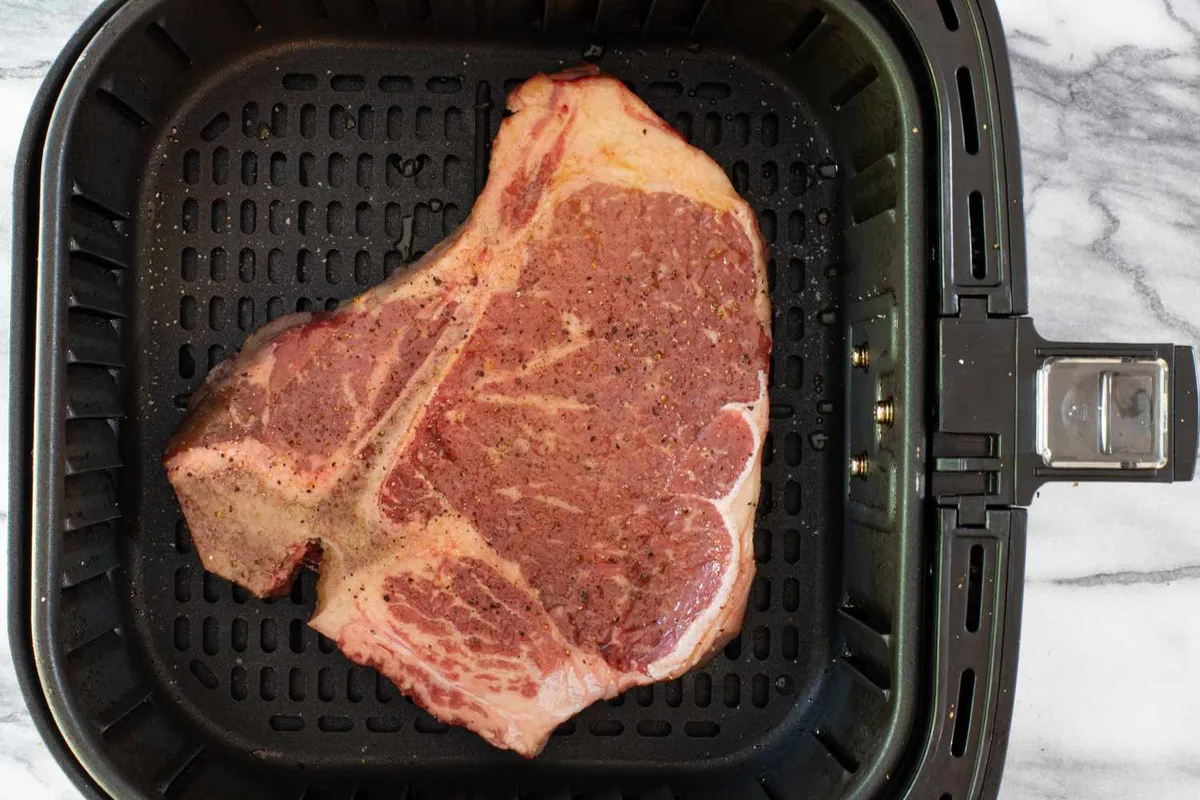
Yes, you can cook beef in an air fryer. The right temperature and time depend on your cut. Thin steaks cook fast at high heat.
Thick roasts need lower heat and a longer wait. Always check with a meat thermometer.
Yes, You Can Cook Beef in an Air Fryer — But Your Cut Decides the Rules
An air fryer is, at its core, a small, powerful convection oven. That means it surrounds food with fast‑moving hot air, driving off surface moisture and creating browning far quicker than a traditional oven. The trade‑off is that its compact basket leaves zero room for error with moisture‑sensitive cuts.
A 1‑inch strip steak at high heat turns beautifully. A 2‑pound top round roast thrown in at the same temperature will burn on the outside before the centre hits rare. A basket overcrowded with cold, wet beef tips steams instead of sears.
So the real answer is not “yes” or “no.” It is a series of if/then questions: What cut did you bring home? How thick is it? Do you want it medium‑rare or well‑done?
Is it still frozen? The rest of this guide walks you through each branch so you land on the exact workflow your beef needs.
If you’re looking for more air fryer insights beyond beef, our growing library of air fryer resources covers techniques, troubleshooting, and recipes across proteins and vegetables.
The 4 Variables That Change Everything Before You Even Turn It On
Before you even reach for the temperature dial, four factors will decide whether you pull out a juicy crusted steak or a dry, smoky disappointment. Get these clear, and you’re already ahead of most home cooks who expect one magic “air fryer beef” setting to do it all.
- Cut type. Lean, tender cuts (filet mignon, sirloin, strip) handle fast high‑heat cooking well. Tougher, collagen‑rich cuts (chuck, brisket, shank) need low‑and‑slow breaking‑down that an air fryer’s rapid airflow can’t truly replicate. Even among tender cuts, marbling matters: a fatty ribeye will render more drippings and smoke more than a lean top sirloin.
- Thickness. Air fryer recipes that only list a time without thickness are guesswork. A ½‑inch minute steak reaches medium‑rare in under 5 minutes. A 2‑inch cowboy steak takes nearly twice as long and often benefits from a brief lower‑heat phase before the sear.
- Desired doneness. Rare to well‑done shifts the thermal window by roughly 15°F to 30°F internally. In a small air fryer cavity, that translates to minutes, not seconds. Overcooking lean beef by even 90 seconds can turn it from tender to dry.
- Starting state. Fresh from the fridge at 38°F cooks differently than a steak you let rest on the counter for 20 minutes. A fully frozen steak is a separate decision branch with its own timing adjustments. Surface moisture matters too: a damp steak never browns well.
These variables interact. A thick, cold, well‑marbled ribeye you want medium‑rare needs a different path than a thin, room‑temp, lean sirloin you want well‑done. The next sections lay out the exact paths for the most common beef types.
Decision Branch 1: Steaks (Ribeye, Strip, Sirloin, Filet Mignon)
Steaks are where the air fryer shines brightest. The intense convection heat creates a deep, even crust without firing up the grill or setting off the smoke alarm. The key is reading thickness, not the label.
A “ribeye” cut ½ inch thick behaves more like a fast‑seared minute steak than the 1½‑inch ribeye your butcher cut for the grill.
How Thickness and Doneness Drive the Timer
Thicker steaks need more total energy to bring their centre to temperature, and because an air fryer blasts hot air from the outside in, a thick cut risks burning the exterior before the interior reaches your target if you don’t adjust heat. For steaks over 1½ inches, a two‑stage method (lower heat first, then high‑heat finish) mimics the reverse‑sear effect, but we’ll cover that in the roast section since the principle overlaps.
Below is a quick‑reference table for steaks at a preheated 400°F, flipped once halfway. Times assume the steak started around 38°F fresh from the fridge. Add 2, 3 minutes if cooking from a colder state.
| Steak Thickness | Target Doneness | Approx. Total Time | Final Internal Temp (after rest) |
|---|---|---|---|
| ½ inch | Medium‑rare | 4–5 min | 130–135°F |
| 1 inch | Medium‑rare | 8–10 min | 130–135°F |
| 1 inch | Medium | 10–12 min | 135–145°F |
| 1½ inch | Medium‑rare | 12–14 min | 130–135°F |
| 1½ inch | Medium | 14–16 min | 135–145°F |
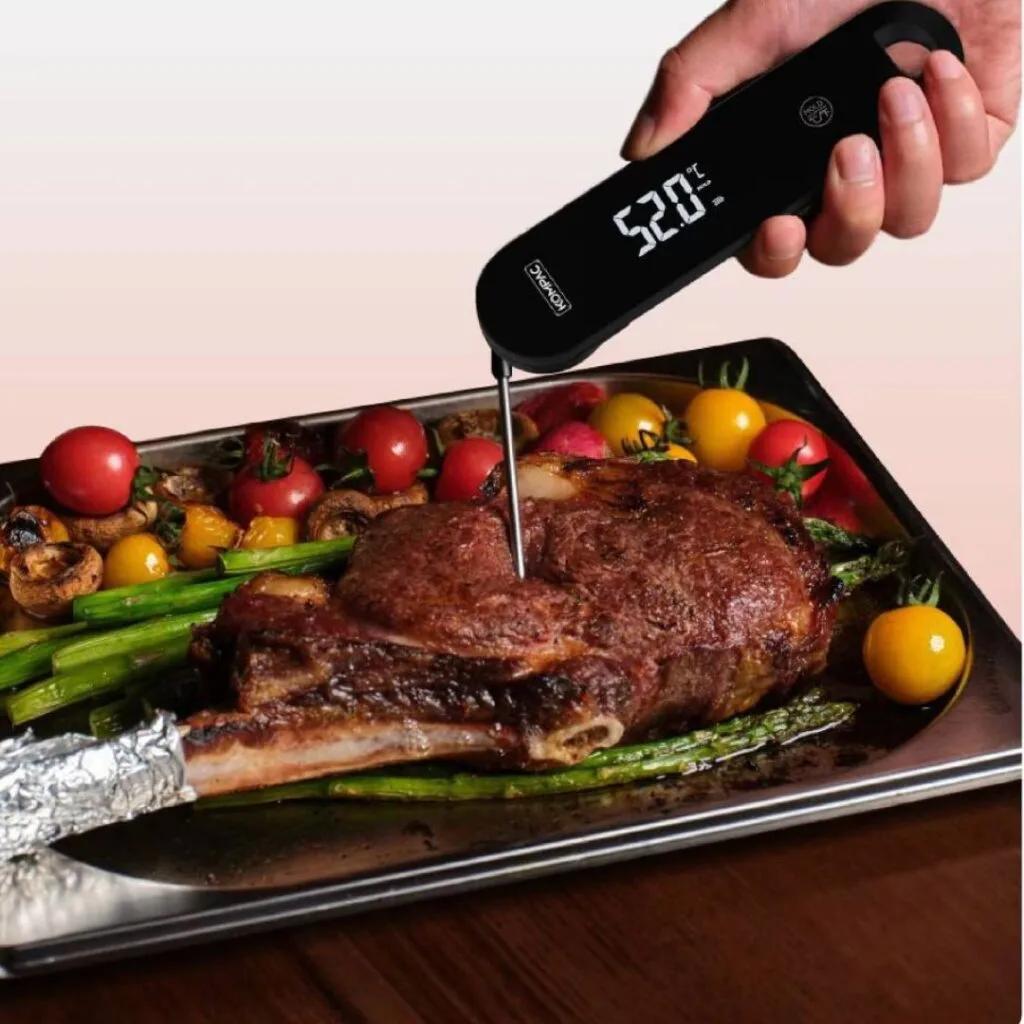
Use an instant‑read thermometer. The times are a starting point; air fryer wattage, starting meat temperature, and how often you open the basket all shift the result. Always check a few degrees shy of your target.
Carry‑over cooking during the rest will push the centre up another 5°F to 10°F.
For fattier cuts like a well‑marbled ribeye from the rib primal, expect more smoke from rendered fat dripping onto the hot basket base. Placing a small slice of bread in the drip tray to absorb drippings is an old trick, but the better strategy is to empty the tray before you cook and monitor for wisps of smoke.
The Exact Workflow From Fridge to Perfect Crust
Start by patting the steak completely dry with paper towels. Season generously with salt, and add pepper and any dry rub before it goes into the basket. A light brush or spray of high‑smoke‑point oil (avocado, canola) helps transfer heat to the surface.
Letting the steak sit on the counter for 15, 20 minutes takes the chill off and promotes even cooking, but if you’re short on time, you can go straight from the fridge with a minor time bump.
Preheat the air fryer to 400°F for a full 3, 5 minutes. Lay the steak in the basket in a single layer with no overlapping. Close and cook, flipping once at the halfway mark.
For a 1‑inch steak, start checking temperature at the 7‑minute mark by inserting the probe into the thickest part without touching bone or the basket. Pull the steak when the reading is 5°F below your final target.
Rest the steak on a plate or cutting board, loosely tented with foil, for at least 5 minutes. This lets the juices redistribute. Slice against the grain and serve.
The entire process from fridge to table takes under 15 minutes, making this a genuine weeknight trick.
Decision Branch 2: Roasts (Top Round, Eye of Round, Tenderloin)
Roasts move the challenge from speed to uniformity. An air fryer’s fast‑moving air can overcook the outer half‑inch of a 2‑pound roast before the interior softens to rare if you treat it like a steak. The solution is a gentler temperature curve and a thermometer you trust.
Lean roasts such as eye of round, top round, and sirloin tip have little internal fat to buffer drying, so they’re particularly sensitive. A whole beef tenderloin is more forgiving but still needs care because its tapered shape can leave the tail overcooked if you don’t tuck and tie it.
Low‑and‑Slow vs. High‑Heat Start in a Small Cavity
In a full‑size oven, you might blast a roast at 450°F for 15 minutes then drop to 325°F. In an air fryer, that initial blast often scorches the surface before the centre warms unless you’re working with a very small, uniform cut. The safer route for most home air fryers is a steady moderate temperature: set the machine to 325°F, 350°F depending on wattage.
For a 1½‑ to 2‑pound lean roast, aim for roughly 18, 22 minutes per pound at 350°F, flipping or rotating the roast halfway through if your basket shape allows it. Insert a leave‑in probe thermometer if your air fryer has that feature, or check periodically with an instant‑read. Remove the roast when the internal temperature hits 120°F, 125°F for medium‑rare (it will climb to 130°F, 135°F during the rest).
A reverse‑sear approach also works: start at 250°F, 275°F until the centre is 10°F below your target, then crank the heat to 400°F for a final 3, 5 minutes to develop the crust. This method requires a thermometer you can monitor without opening the basket repeatedly, because every open door drops the cavity temperature dramatically.
Resting: The Step That Makes or Breaks Roast Beef
Resting a roast after air frying is non‑negotiable. The carry‑over heat will continue cooking the centre by 5°F, 10°F. If you pull at exactly 130°F, you’ll end up closer to 140°F, medium, not medium‑rare.
Pull early, tent loosely, and wait a full 10, 15 minutes before slicing.
During the rest, the roast’s juices redistribute. Slice too soon and you lose them all onto the board. It also gives you a window to finish any sauce or edge browning that still needs attention.
Decision Branch 3: Ground Beef, Burgers, and Meatballs
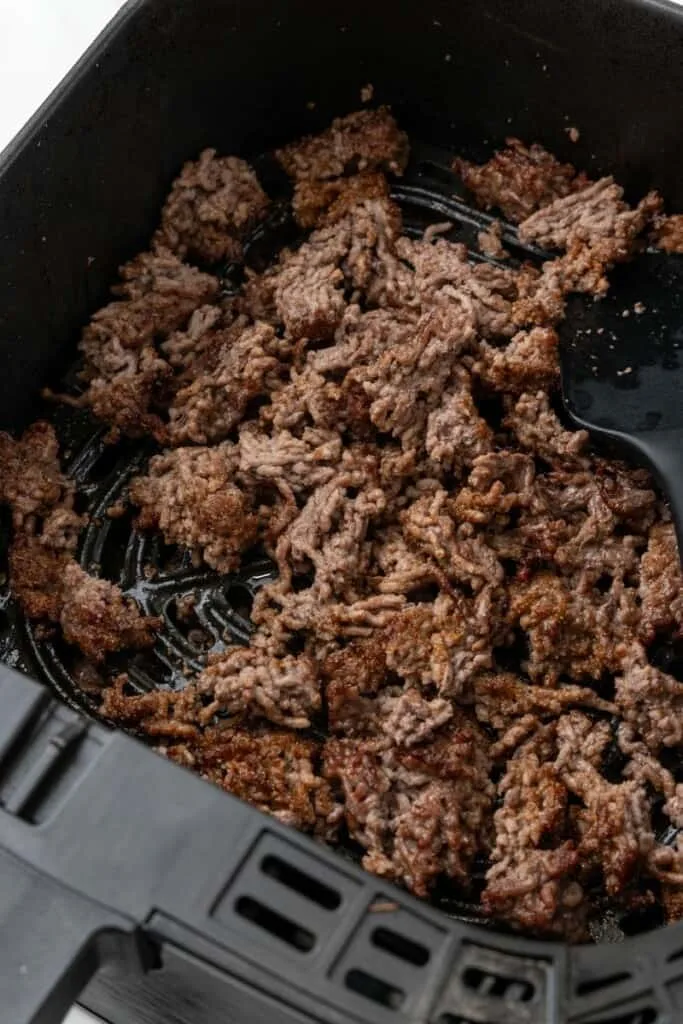
Ground beef is the fastest and most convenient air fryer use, provided you keep one non‑negotiable rule in mind: safe finish temperature for ground beef is 160°F, regardless of how it looks on the outside. Colour is not a doneness indicator with ground meat because it can brown before it’s safe. A digital thermometer removes the guesswork.
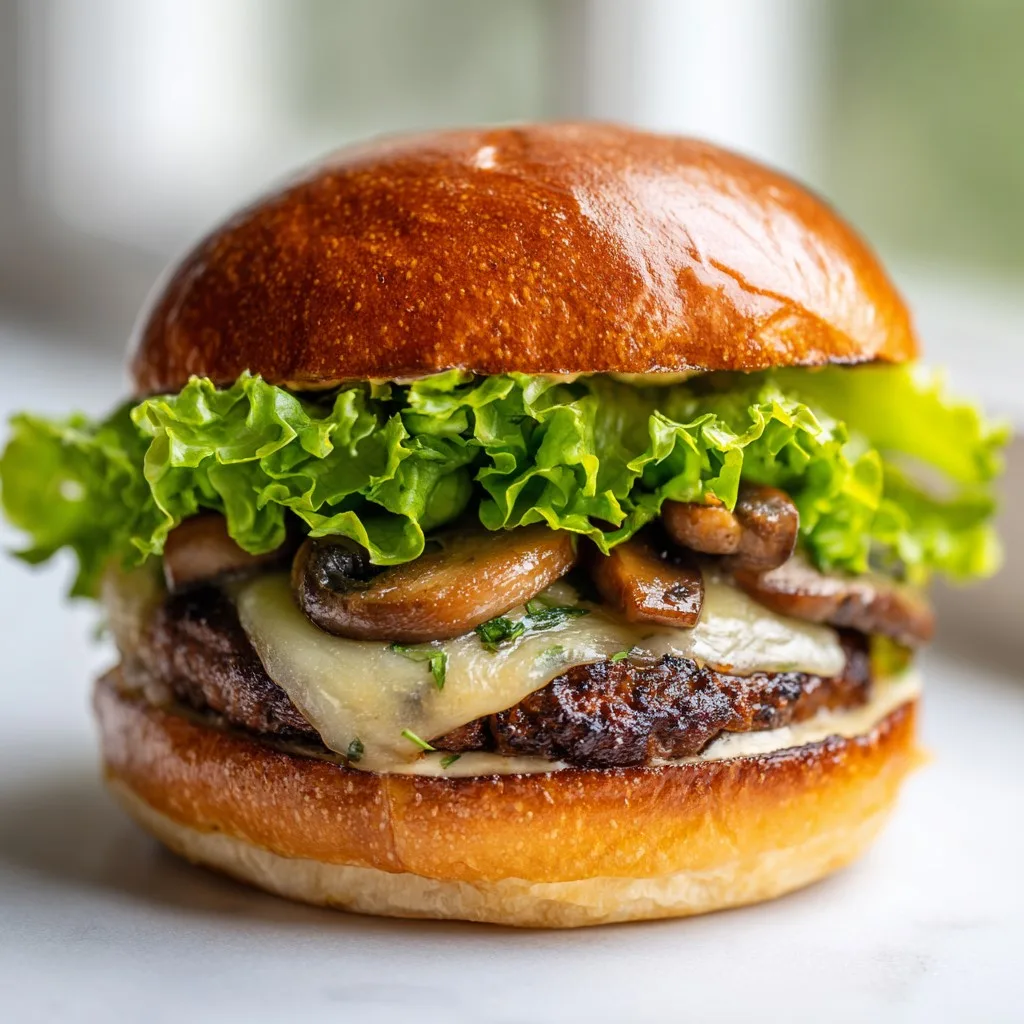
The air fryer excels at browning loose ground beef for tacos, pasta sauces, and meal prep without constant stovetop stirring. Burgers and meatballs get a nice outer texture while staying juicy inside, as long as you shape them with a small indent in the centre to counteract the doming effect.
Loose Ground Beef for Tacos, Meal Prep, and One‑Pan Dinners
Preheat the air fryer to 370°F, 380°F. Break the raw ground beef into large chunks and spread them in a single layer in the basket. Let it cook for 3 minutes, then use a spatula or spoon to break the chunks apart and stir.
Continue cooking for another 2, 4 minutes, stirring once more, until no pink remains and the temperature reaches 160°F.
One practical note: ground beef, especially 80/20, releases a fair amount of fat. That fat drips into the tray below and can smoke if it pools and gets too hot. Draining the tray partway through or using a perforated liner keeps cleanup easier and reduces smoke.
Just make sure any liner you use is rated for the air fryer’s maximum temperature and doesn’t block airflow.
If you’re batch‑prepping for the week, you can cook 1‑2 pounds at a time, drain the fat into a heatproof container, and store the browned beef in the fridge. It reheats in minutes for a quick taco night.
Burgers and Meatballs: Shaping Tricks That Prevent Doming
Even‑thickness patties and meatballs cook more evenly in the blasting air. For burgers, form patties about ¾‑inch thick and press a shallow indent into the centre with your thumb. This stops the centre from puffing up into a dome as the meat contracts.
Meatballs should be uniform in size (roughly 1½ inches) and rolled tightly enough to hold together but not so tight they turn dense.
Arrange patties or meatballs in a single layer with a bit of space between them. Cook at 370°F for burgers, flipping once. A 6‑ounce patty will need 10, 12 minutes total to reach 160°F.
Meatballs typically take 8, 10 minutes, depending on size. Check temperature at the thickest part of a few pieces.
The resulting burgers have a slightly crisp exterior and a fully cooked interior that still feels tender, not chewy, if you haven’t over‑packed the meat. Avoid pressing down with a spatula during cooking; it squeezes out moisture and contributes to a dry result. Let burgers rest a minute before serving, and if you plan to add cheese, lay a slice on top for the final minute of cooking and close the basket to melt.
Decision Branch 4: Frozen Beef — No-Thaw Workarounds That Hold Up
Frozen beef can go straight into the air fryer without thawing. You just need to adjust the heat curve so the outside doesn’t burn while the inside finishes. A frozen steak cooked at a single high blast often ends up with a charred surface and a cold, raw centre.
When You Can Go Straight From Freezer to Basket
Thinner cuts and ground beef items handle the freeze‑to‑basket jump better than thick roasts. Frozen burger patties, meatballs, and loose ground beef all work without defrosting. A frozen 1‑inch steak works too, but add about 5, 7 minutes to the cook time.
For roasts over 1½ pounds, it’s safer to thaw partially in the fridge first. The centre takes too long to come up to temperature otherwise, and the outer layer dries out badly.
The Lower‑Then‑High Heat Strategy That Fixes the Cold‑Centre Problem
Set the air fryer to 320°F for the first two‑thirds of the estimated cook time. That gentler heat brings the centre toward safe territory without scorching the exterior. Then crank the temperature to 390°F, 400°F for the final few minutes to build a crust on steaks or a browned exterior on burgers.
Check the internal temperature early and often. A frozen 6‑ounce burger patty might need 15, 18 minutes total to reach 160°F using this two‑stage method.
Decision Branch 5: Reheating Leftover Beef Without Turning It Grey
Reheating beef in an air fryer can revive a crust better than a microwave ever will. But high heat will push already‑cooked meat past well‑done in under a minute, leaving it dry and grey. The trick is gentleness and a little moisture.
Set the air fryer to 300°F, not 400°F. Lay leftover steak slices or roast beef in a single layer. Sprinkle a few drops of water or a thin pat of butter on top, this creates steam that keeps the meat from drying out.
Heat for 2, 4 minutes, then check. For thicker slices, flip once. Remove the beef the moment it’s warm to the touch.
It’s already fully cooked. You’re just taking the chill off. Any extra time beyond that starts squeezing out moisture.
Air‑fried leftover roast beef makes a fantastic sandwich filler when reheated gently this way. Toss the warm slices with a little jus or gravy right after they come out.
The Doneness Safety Net: USDA Temps, Thermometer Know‑How, and the Resting Rule
No workflow replaces a digital thermometer. Colour and texture lie. Ground beef can brown fully and still sit below 160°F.
A steak can look beautifully seared on the outside while the centre lags at 120°F. The only reliable guide is an instant‑read probe.
Per USDA guidelines, whole beef cuts must reach 145°F with a 3‑minute rest. Ground beef must hit 160°F. Insert the thermometer into the thickest part of the meat, away from bone, fat pockets, and the basket surface.
For thin patties, go in from the side.
| Beef Type | Safe Minimum Internal Temp | Resting Time |
|---|---|---|
| Whole steaks, roasts | 145°F | 3 minutes |
| Ground beef, burgers, meatballs | 160°F | None required, but 1‑2 minutes helpful |
Resting isn’t optional for whole cuts. The rest allows the internal temperature to equalize and carry‑over cooking to do its final work. Cut too early, and juice pools on the board instead of staying in the meat.
Let steaks rest 5 minutes and roasts 10, 15 minutes under a loose foil tent.
Your Air Fryer’s Hidden Smoke Problem — and How to Stop It Before It Starts
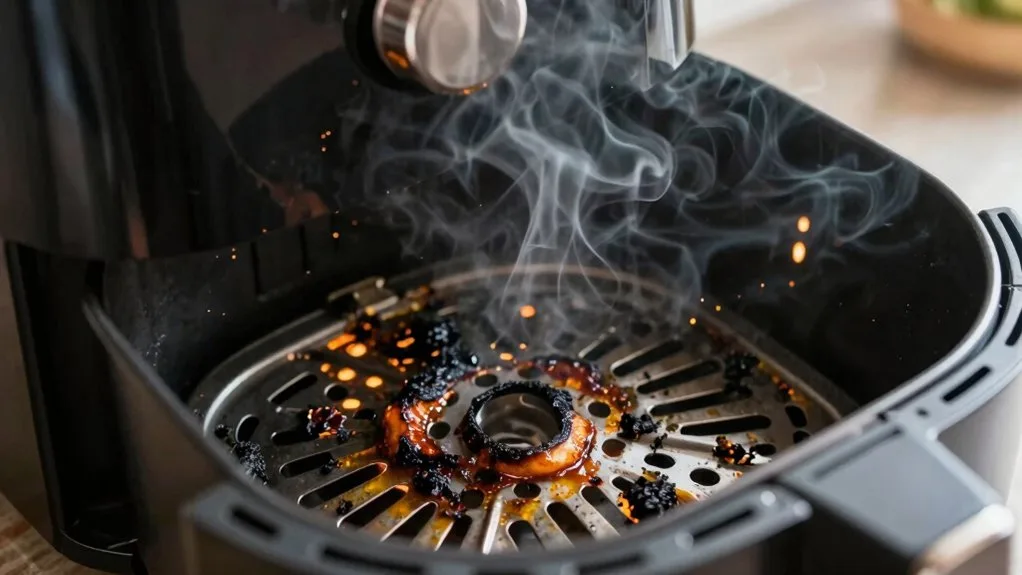
Fat renders fast in an air fryer. When beef fat drips onto the superheated basket base or drip tray, it can hit its smoke point quickly, especially above 375°F. Fatty cuts like ribeye or 80/20 ground beef are the biggest culprits.
The smoke is rarely a fire risk, but it fills the kitchen fast and sets off alarms.
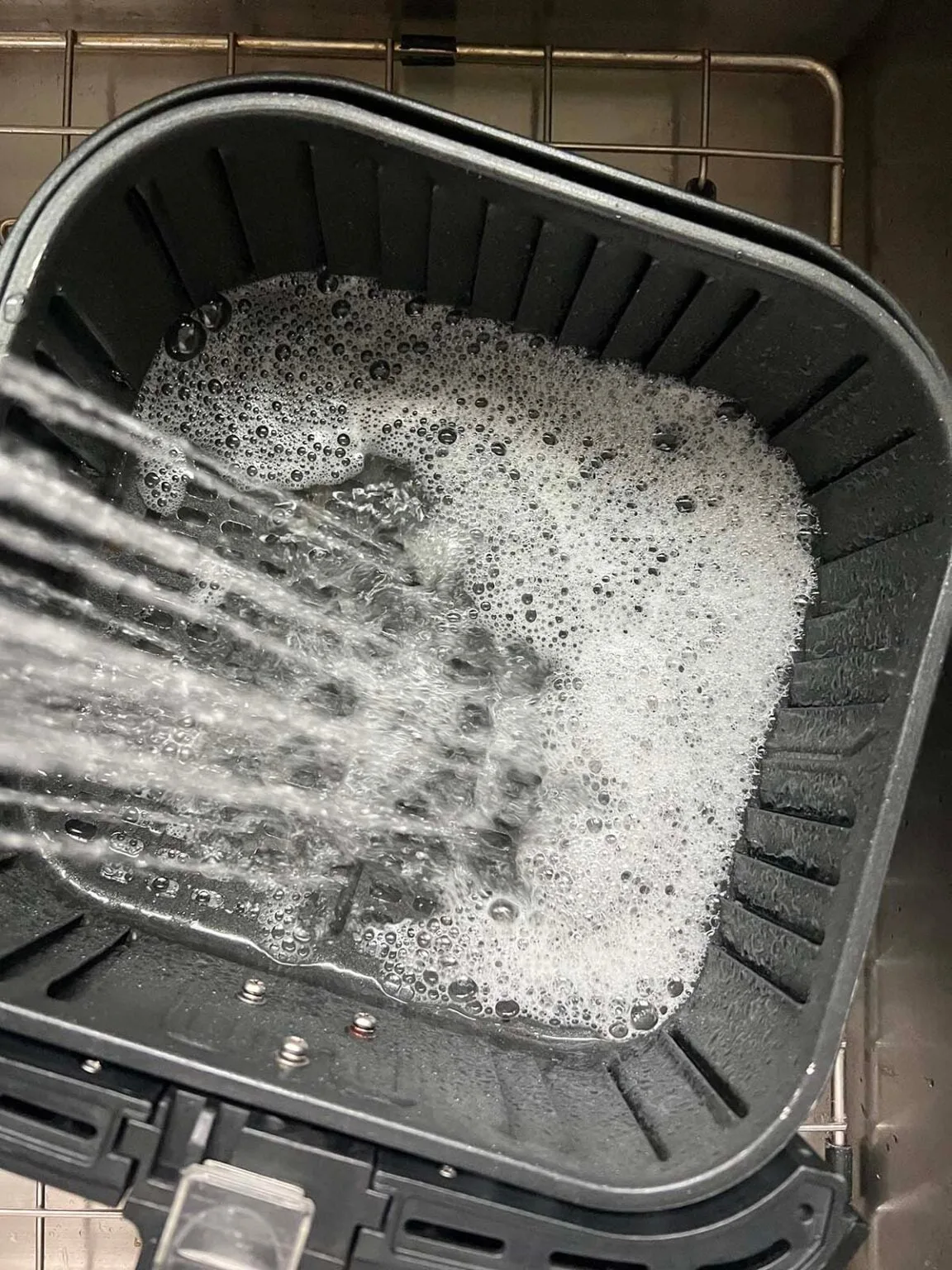
To prevent it, start with a clean, dry basket and an empty drip tray. For especially fatty cuts, you can add a tablespoon of water to the bottom tray before cooking. The water catches early drippings, keeps the fat below its smoke point, and buys you time.
Using a reliable perforated liner also helps trap small drips. Make sure the air fryer has proper clearance from cabinets and is under a working range hood if you’re cooking high‑fat beef.
Check the tray midway through. If you see a significant pool of fat, carefully pour it into a heatproof container and return the tray. After cooking, clean the basket and tray thoroughly.
Built‑up grease from previous cooks is often what triggers smoke before the food even enters the picture.
5 Mistakes Even Confident Cooks Make (and the Fix for Each One)
-
Overcrowding the basket. Stacking beef cuts or piling ground beef blocks airflow. The result is steamed grey meat, not browned. Fix: Work in batches. Leave space between pieces so hot air can circulate.
-
Skipping the preheat. Dropping beef into a cold basket lengthens the cook time and ruins the initial sear. Fix: Preheat for a full 3, 5 minutes at the target temperature. Most air fryer models need it.
-
Not drying the surface. Moisture on beef creates steam, not crust. Fix: Pat every cut completely dry with paper towels before seasoning. This one step transforms browning.
-
Trusting colour instead of temperature. Ground beef can brown before it reaches 160°F. Steaks can look done while the centre is still rare. Fix: Use an instant‑read thermometer for every cut. No exceptions.
-
Leaving rendered fat in the tray. The fat from a ribeye or burger batch will smoke during the next cook if it sits there. Fix: Drain the drip tray while it’s still warm and wipe it out after every fatty cook.
The Beef-in-Air-Fryer Cheat Sheet: Match Your Cut to Temp, Time, and Turn
| Cut | Temp | Approx. Time | Key Move |
|---|---|---|---|
| 1‑inch steak (medium‑rare) | 400°F | 8–10 min | Flip halfway, pull at 125°F |
| 1‑lb lean roast | 350°F | 20 min/lb | Rest 10 min under foil |
| Loose ground beef | 370°F | 5–7 min | Stir twice, check 160°F |
| Frozen burger patty | 320°F then 390°F | 15–18 min | Two‑stage heat, no thaw |
| Leftover steak slices | 300°F | 2–4 min | Add a few drops of water |
For more cut‑specific walkthroughs browse our air fryer cooking guides.
Frequently Asked Questions
Can I cook a frozen steak in the air fryer without thawing?
Yes. Use a lower temperature (320°F) for most of the cook, then finish at 400°F. Add 5, 7 minutes to the fresh timing and check the internal temperature early.
Does beef smoke in the air fryer?
Fatty cuts can smoke when drippings hit the hot tray. Adding a tablespoon of water to the drip tray and using a safe perforated liner reduces the problem. Keep the area clear of cabinets as proper clearance helps ventilation.
How do I stop ground beef drying out?
Don’t overcook it. Pull it as soon as it hits 160°F. Stirring once or twice during cooking prevents dry edges.
Drain the fat but don’t press the meat.