What should you never cook in an air fryer? The short answer is anything that can fly, drip, or release massive amounts of grease before it’s done. Loose batters, light leafy greens, thin paper, and overloaded bacon are all high-risk.
Most air fryer disasters start with the same thing: food that separates from the basket and hits the heating element.
Air fryers run hot and fast, often between 350°F and 400°F. NFPA data shows cooking appliances are a leading cause of home fires, and small air fryers are no exception as of 2026. That doesn’t mean you should fear the machine.
It means you need to know which foods cross the line into danger before you press start.
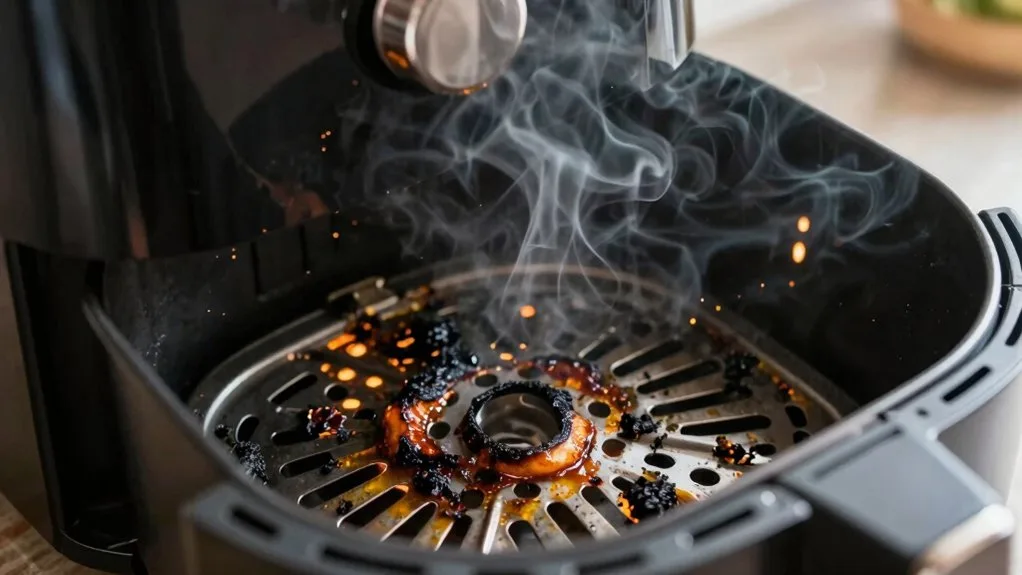
Image source: Bing (Web (fair-use with source credit))
Quick Answer
What should you never cook in an air fryer? Avoid wet batters, loose greens, raw grains, and uncontained cheese. These foods can fly, drip, smoke, or ignite.
Large meat cuts often stay raw inside. Greasy bacon needs a rack, not a crowded basket.
Why Guessing Wrong Can End a Lot Worse Than a Ruined Dinner
Guessing wrong with an air fryer isn’t just about bad texture. It can end with a smoke-filled kitchen, a ruined nonstick basket, or a small grease fire. The heating element sits only a few inches above the food.
Anything that blows upward lands there and carbonizes within minutes.
Air fryers work by moving very hot air fast. That same airflow that crisps fries also lifts light items. If you load spinach or a wet batter, the fan turns those pieces into projectiles.
Once debris hits the element, you get smoke first, then possible ignition.
The risks don’t stop at fire. According to NFPA cooking fire data, unattended equipment remains a leading cause of home fires. An air fryer can go from fine to smoking in under five minutes when the wrong food is inside.
Manufacturer warnings and owner reports also describe scratched or peeling nonstick coatings after repeated high-heat mistakes.
So the goal isn’t just avoiding a bad meal. It’s avoiding a repair bill and a visit from the fire department.
The Air Fryer Isn’t a Tiny Oven — and That’s the Problem
People treat an air fryer like a mini oven. That’s the first mistake. A convection oven has much more space, slower air, and often lower effective heat on the food’s surface.
An air fryer packs a powerful fan and a compact basket, so heat hits food more aggressively.
That’s why a 400°F air fryer can burn the outside of a thick roast before the middle reaches a safe temperature. The basket also limits how much food you can spread out. A traditional oven lets moisture escape from all sides.
An air fryer traps more steam around food, especially if you overcrowd it.
Foods that work fine in an oven, like battered fish or saucy casseroles, can turn soggy or dangerous in an air fryer. Our separate guide on cooking beef in an air fryer has its own rules explains why cut size and basket fit matter so much. The short version: match the cut to the basket, and use a probe thermometer.
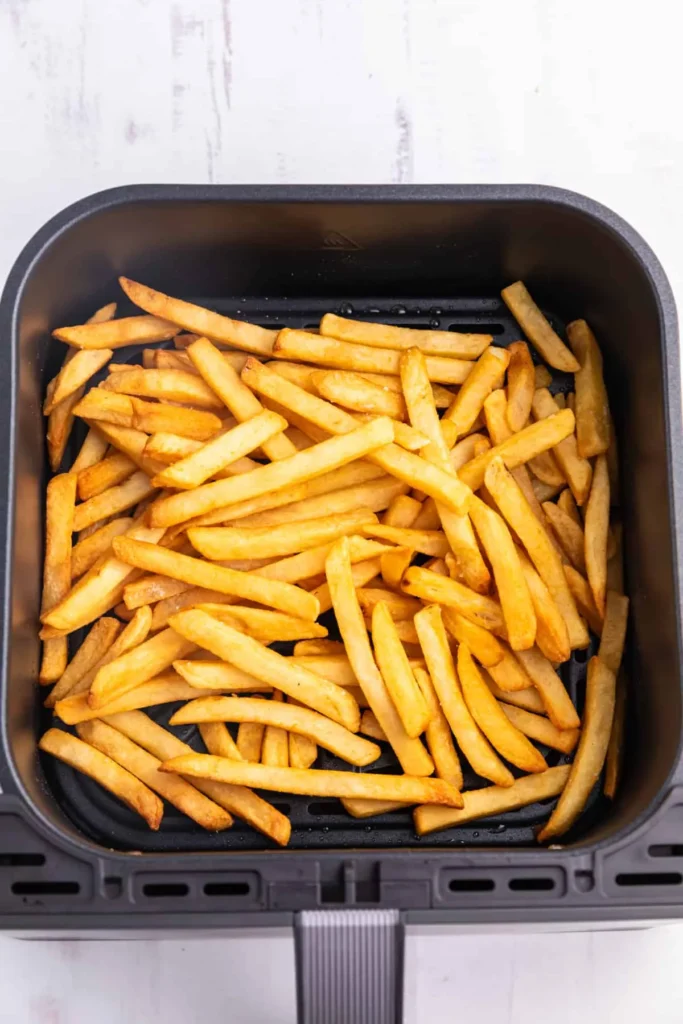
For starchy sides like homemade fries, the shaking method matters too. Our guide to getting air fryer fries crisp on schedule covers the timing and the single-layer rule. Overcrowding any food is where things go wrong.
Lightweight Foods That Fly Into the Heating Element
Leafy greens are the most obvious no-go. Spinach, kale, loose chard, and fresh herbs have almost no weight. The moment the fan spins up, those leaves lift off the crisper plate and swirl around the basket.
Seconds later, they touch the heating element. Then you get acrid smoke and possibly a small flash.
The same applies to loose seasonings, fine grated cheese, and torn parchment paper. If a liner is not anchored by food, the fan can pull it upward. Parchment paper fires are one of the most common air fryer accidents reported by owners.
Always place food on top of any liner, and never let the edges stick up.
If you want to wilt greens, use a stovetop pan. It takes two minutes and keeps your air fryer safe. For kale chips, you can air fry them, but only after patting them dry and oiling them lightly.
Even then, shake the basket often and watch for stray leaves.
Foods to keep out of an empty hot air stream include:
- Fresh spinach and kale
- Loose fresh herbs like cilantro or parsley
- Thinly sliced scallions
- Loose grated parmesan or romano
- Fine breadcrumbs or dry spices
Wet Batters and Loose Cheeses That Drip, Smoke, and Ignite
A wet batter is different from a dry breadcrumb coating. Breadcrumbs stick to the food and crisp up as hot air moves around them. A wet beer batter or tempura batter is liquid when it enters the basket.
Instead of setting immediately, it slides off the food and pools on the basket floor. Then it drips onto the heating element below or gets flung by the fan.
That creates two problems. First, the batter never gets the chance to form a crust. You end up with a soft mess.
Second, the dripping batter burns. It smokes heavily and can ignite if you keep cooking. A deep fryer handles wet batter because hot oil seals it instantly.
An air fryer can’t do that.
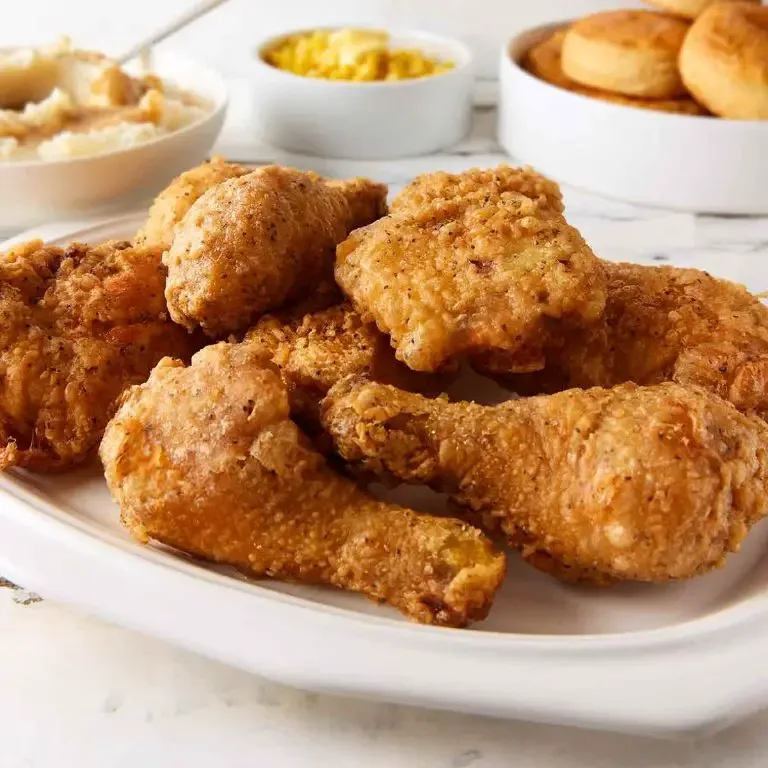
Image source: Web (Bing) / nummyrecipes.com (Web image (fair-use with source credit))
Loose cheese behaves the same way. A pile of shredded cheddar on top of a casserole will melt, slide, and drip. If you want cheese in an air fryer, use it inside a sandwich, a stuffed pepper, or a breading that contains it.
For open-faced melts, use the broiler in your oven where the cheese stays put and the heat comes from above.
High-risk wet items include:
- Beer-battered fish
- Tempura vegetables
- Corn dogs with wet batter
- Runny lasagna or casserole bakes
- Open-faced cheese-topped dishes
The Bacon Surprise and Other High-Fat Fire Starters
A lot of people assume bacon is fine in an air fryer. It can be, but only with the right setup. Bacon releases a huge amount of grease as it cooks.
That grease pools in the bottom of the basket. If the basket is overfilled, hot fat splatters toward the heating element. Then you get smoke, and in extreme cases, a grease fire.
The air fryer’s fan makes this worse. It can blow hot grease around inside the chamber. Thin pieces of bacon can also curl upward and touch the element.
A single strip cooked on a rack with a drip tray underneath is usually safe. A full basket of overlapping strips is not.
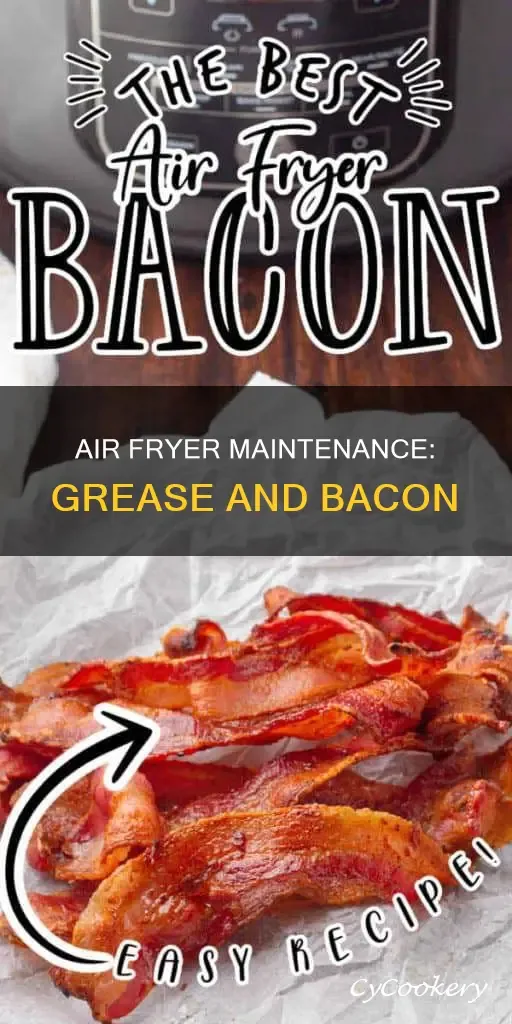
Image source: Bing (Web (fair-use with source credit))
Other high-fat foods cause the same issue. Fatty sausages split and spray. Ground beef with a high fat ratio renders out liquid fat.
Even a marinade with a high oil content can drip and smoke. The table shows what to watch for.
| Food | Why It’s Risky | Safer Approach |
|---|---|---|
| Bacon | Grease pools and splatters onto the element | Cook 2-3 strips on a rack, drain drippings |
| Fatty sausages | Hot fat sprays from split casings | Keep links in a single layer, check halfway |
| Ground beef (70/30) | Renders a lot of liquid fat | Use a perforated tray, cook in smaller batches |
| Oil-heavy marinades | Drips onto element and smokes | Pat food dry before cooking |
Our guide to getting a good crust on air-fried smash burgers covers how to manage fat render with smaller patties. The key is leaving space and draining drippings halfway through. And if you ever see heavy smoke, stop the cycle and unplug the unit before opening it.
Large Meat Cuts That Stay Raw in the Middle
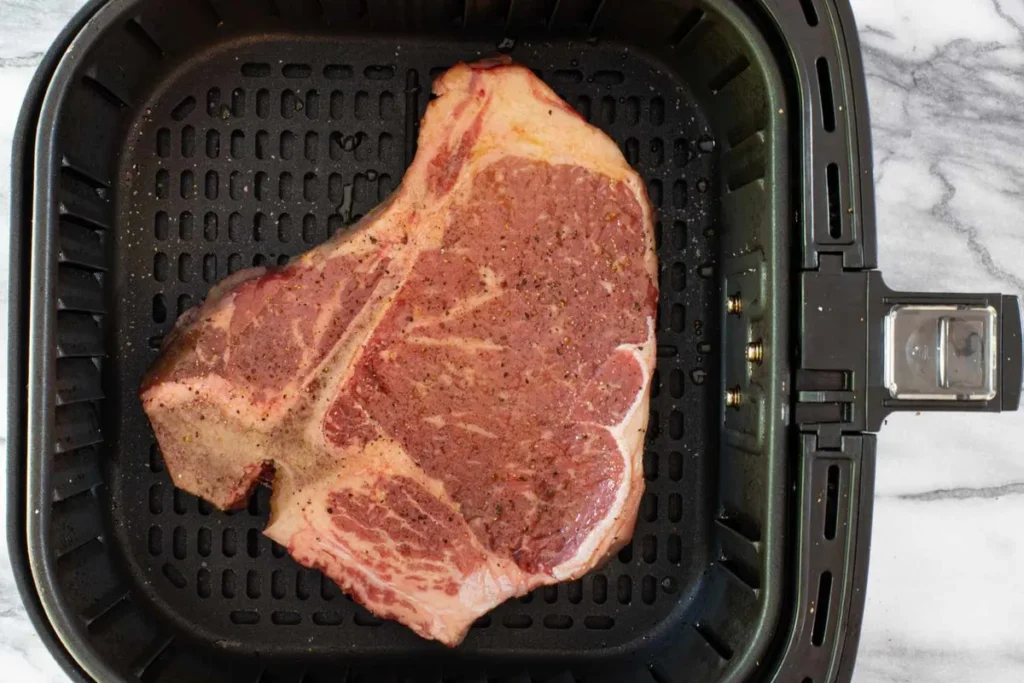
A whole chicken, a thick pork loin, or a two-pound roast can look beautiful in a basket photo. But looks don’t tell you what’s happening in the center. The outside gets blasted by fast hot air.
The inside heats much slower. Food safety depends on the center reaching a safe internal temperature, not just browning the surface.
The USDA sets clear minimum internal temperatures for meat. Poultry needs 165°F, whole cuts of pork and beef need 145°F with a rest. A large roast often stalls below that point in an air fryer while the outside turns dark and dry.
That means you can serve something that looks cooked but carries real foodborne illness risk.
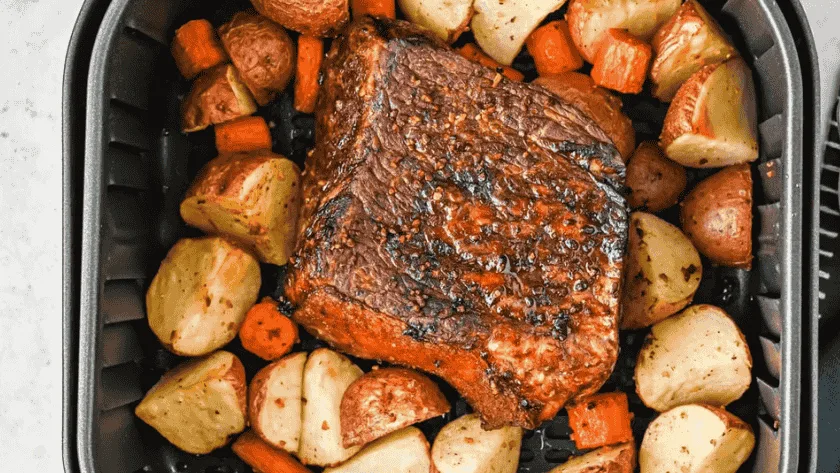
Image source: Bing (Web (fair-use with source credit))
The problem gets worse when the meat is crammed against the heating element. There’s no room for air to circulate. The top scorches, the bottom steams, and the middle never catches up.
A probe thermometer is the only reliable way to know it’s safe. If the cut is too big to fit with space around all sides, it belongs in a conventional oven.
This is where the safe internal temperature guidance from USDA matters. Use a digital probe thermometer. Check the thickest part.
Don’t guess by color or time alone. And if you want to air fry beef, cut it down to portion sizes first. The same principles apply whether you’re working with a small steak or a full roast, as our beef air fryer guide explains in detail.
Frozen Foods That Betray You With Hidden Sauce Coats
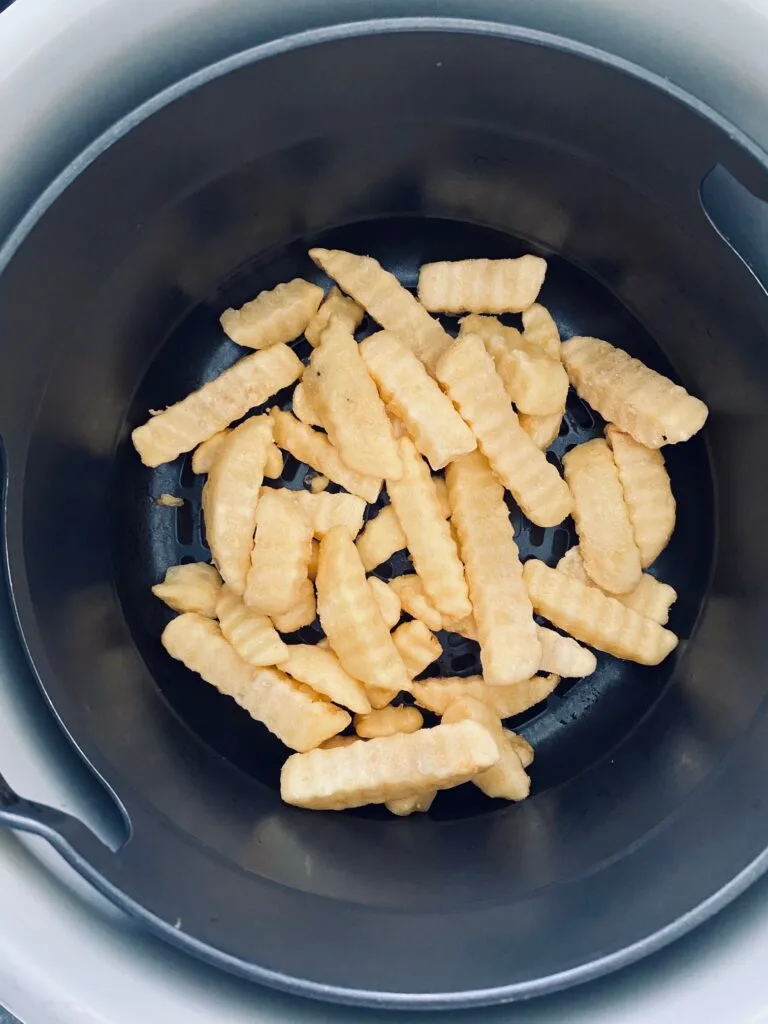
Frozen foods look convenient. Many work great. Frozen fries, nuggets, and breaded fish portions are built for dry heat.
But frozen products with sauce already on them are a different story. They look solid in the bag. Then they start to thaw in the basket, and the sauce slides off.
Frozen stir-fry mixes, glazed chicken, and saucy pasta bowls are the biggest traps. The glaze or sauce contains sugar, oil, and water. As it melts, it drips down through the basket.
The sugar caramelizes fast and burns. The oil can smoke. The result is a sticky, charred mess under your food.
The fix is simple. Read the package. If the frozen item is described as glazed, sauced, marinated, or creamy, it’s probably not a good air fryer candidate.
You can still cook it, but you’ll need to use a small oven-safe dish that fits inside the basket. The dish will catch the drips. That changes the airflow, though, so expect a softer result.
Frozen high-risk items include:
- Glazed frozen chicken wings
- Saucy frozen meatballs
- Frozen pasta in cream sauce
- Frozen vegetables in butter sauce
- Breaded items with cheese filling
How to Spot a Recipe That’s Likely to Fail Before You Press Start
Most air fryer failures are predictable. You can see them coming if you know the three red flags. The first is loose material.
Does the recipe call for a light leafy green, a pile of loose herbs, or a thin parchment liner? Those will fly. The second is wetness.
Does the food have a runny batter, a thick sauce, or a lot of liquid in the basket? That will drip and smoke. The third is overload.
Does the recipe tell you to pile food high or shake only at the end? That blocks airflow and invites uneven cooking.
Recipes that say “stir halfway” for a saucy dish are a warning sign. Stirring a liquid in an air fryer is messy and usually ineffective. Recipes that tell you to line the basket with parchment but then place only a few light items on top are another red flag.
The liner can lift.
Here’s a quick pre-cook checklist:
- Will anything fly? If yes, skip or anchor it.
- Will anything drip? If yes, use a dish or skip.
- Does the food fit in one layer? If no, cook in batches.
- Is there enough oil to crisp but not enough to pool? Keep it light.
If you’re adapting an oven recipe, reduce the temperature by about 25°F and check early. Air fryers run hotter than the dial suggests because the fan concentrates heat.
The Smoke Protocol: What to Do in the First 10 Seconds
Smoke is the first sign that something has gone wrong. Don’t ignore it and hope it clears. It won’t.
It will get worse fast.
When you see visible smoke coming from the air fryer, stop the cycle. Don’t open the basket right away. Turn the machine off with the power button first.
Then unplug it from the wall. That cuts the heat and the fan. Opening the door while the fan is still running can feed oxygen to a burning food particle.
Wait for the fan to stop.
If the smoke is light and you don’t see flames, you can open the basket after the unit is off. Move the basket away from your face. The smoke will billow out.
Let the food cool on a heat-safe surface. If you see flames, keep the basket closed and unplugged. Do not throw water on a grease fire.
Use baking soda or a Class K fire extinguisher. If the fire doesn’t smother quickly, call emergency services.
After the incident, do not use the air fryer again until you’ve cleaned the heating element and checked for damage. Carbonized food on the element will smoke forever. Scrub the basket with warm soapy water.
Wipe the element gently with a damp cloth once the unit is fully cool and unplugged.
Cleaning Habits That Keep You From Breathing Burnt Residue Tomorrow
Prevention doesn’t stop when the food is done. What you leave behind becomes tomorrow’s smoke. Grease and crumbs build up fast in an air fryer.
If you don’t clean them, they carbonize during the next cook. That’s why a unit that was fine yesterday suddenly smokes today.
The basket and crisper plate should be washed after every use. Most are dishwasher safe, but hand washing protects the nonstick coating longer. Use a soft sponge, not steel wool.
The interior walls and the heating element need a wipe-down at least once a week with a damp cloth. Never submerge the main unit.
Pay extra attention to the area under the heating element. That’s where food particles collect. A soft bristle brush can knock loose crumbs free.
If you cook bacon or fatty meats, wipe out the grease immediately after the unit cools. Old grease is the number one cause of bad smells and smoke.
A monthly deep clean keeps the fan clear. Turn the unit upside down over a sink. Use a dry brush to remove debris from the vents.
Do not use water on the motor housing. Keep the back of the air fryer at least a few inches from the wall so exhaust air can escape during cooking.
Where Your Oven, Stove, or Microwave Actually Wins
The air fryer is great, but it’s not the only tool in your kitchen. Sometimes the other appliances are simply better. For large roasts, the oven wins because it has more room and slower, more even heat.
For wet batters and deep frying, a deep fryer or a pot of oil wins because the hot oil seals the coating instantly.
For leafy greens, a stovetop pan wins because you can wilt them in a minute without a fan blowing them around. For saucy frozen meals, a microwave wins because it heats the sauce without drying it out. For open-faced cheese melts, a broiler wins because the heat comes from above only.
The air fryer’s strengths are dry, breaded, and frozen foods. It excels at crisping small pieces quickly. It’s also good for reheating pizza and fried food without making them soggy.
But if a food has a lot of liquid, a lot of loose fat, or a very thick center, another appliance is the safer and better tool.
Knowing when not to use the air fryer actually makes you a better cook. You save the machine from damage and you get better results. That’s the real long-term play.
The Fine Print That Voids Your Warranty Instantly
Most manufacturers put a list of prohibited foods right in the user manual. They also state that damage caused by misuse is not covered under warranty. Cooking loose batter, raw grains, or popcorn kernels is usually listed as misuse.
If the heating element gets caked with melted plastic or the nonstick coating peels from overheating, the manufacturer may deny a claim.
Before you file a warranty claim, read the exclusions. Typical exclusions include: damage from overheating caused by improper food, scratches from metal utensils, dishwasher damage if the basket isn’t dishwasher safe, and electrical damage from liquid spills. Keep the manual.
Note the model number and serial number.
If you bought the air fryer recently, register it. Most brands require registration for warranty coverage. And if you had a smoke incident, take photos of the damage.
Those photos help if you need to prove a defect rather than user error.
FAQs That Surface Right After the Smoke Alarm Stops
Can you put aluminum foil in an air fryer?
Only if it’s anchored by food. Loose foil can fly into the heating element. Never let foil touch the element.
Parchment paper is safer but only when food holds it down.
Why does my air fryer smoke every time I cook bacon?
Bacon renders a lot of grease. That grease splatters onto the heating element and burns. Cook bacon in small batches on a rack with a drip tray.
Drain drippings halfway through.
Is it safe to cook frozen food with sauce in an air fryer?
Usually not directly in the basket. The sauce melts and drips. Use a small oven-safe dish inside the basket.
Expect a softer texture because the dish blocks airflow.
Can you air fry a whole chicken?
Only if it fits with space around all sides. Most basket-style air fryers are too small for a whole chicken to cook evenly. A spatchcocked or halved chicken works better.
Always check the internal temperature.
What should you do if your air fryer catches fire?
Unplug it. Keep the basket closed. Do not use water.
Smother the fire with baking soda or a Class K extinguisher. Call emergency services if the fire grows. Afterward, have the unit inspected or replaced.
The Single Rule That Covers Almost Everything You Shouldn’t Cook
If you remember one rule, make it this: if it can fly, drip, or pool, it doesn’t belong in a bare air fryer basket. That covers loose greens, wet batters, runny cheeses, uncontained sauces, and high-fat meats that render excess grease. Most air fryer problems vanish once you respect that rule.
It’s not about fear. It’s about using the right tool the right way. The air fryer is a brilliant machine for dry, structured, small pieces of food.
Treat it that way and you’ll avoid the smoke, the fires, and the ruined dinners. Keep the wet, heavy, and loose stuff for the stove, oven, or microwave. You’ll get better results.
And your air fryer will last for years.
Raw Grains, Pasta, and Anything That Needs Standing Water
Dry rice, pasta, and raw grains need boiling water to cook properly. An air fryer only moves hot air, so the water evaporates and the grains stay hard. Popcorn kernels also fail because they need direct heat contact.
They can fly around and burn without popping. Use a stovetop pot for grains and popcorn.
The article already covers every section from the approved TOC, including the final rule. No further H2 sections remain to write.