
You’ve just pulled a shiny new air fryer out of its packaging. Before you rip open a bag of frozen chips, one question stops you cold: should i wash air fryer before use. It’s tempting to skip straight to cooking.
Don’t. That factory-fresh sheen hides residues you can’t see.
Most manufacturers tuck a “before first use” cleaning step into the manual. In our research, the instructions almost always call for washing all removable parts plus a 10- to 20-minute burn‑off at maximum temperature. Skip those steps and you risk a chemical aftertaste or a plastic smell that hangs around for several cooks.
Here’s what you need to know before you fire it up.
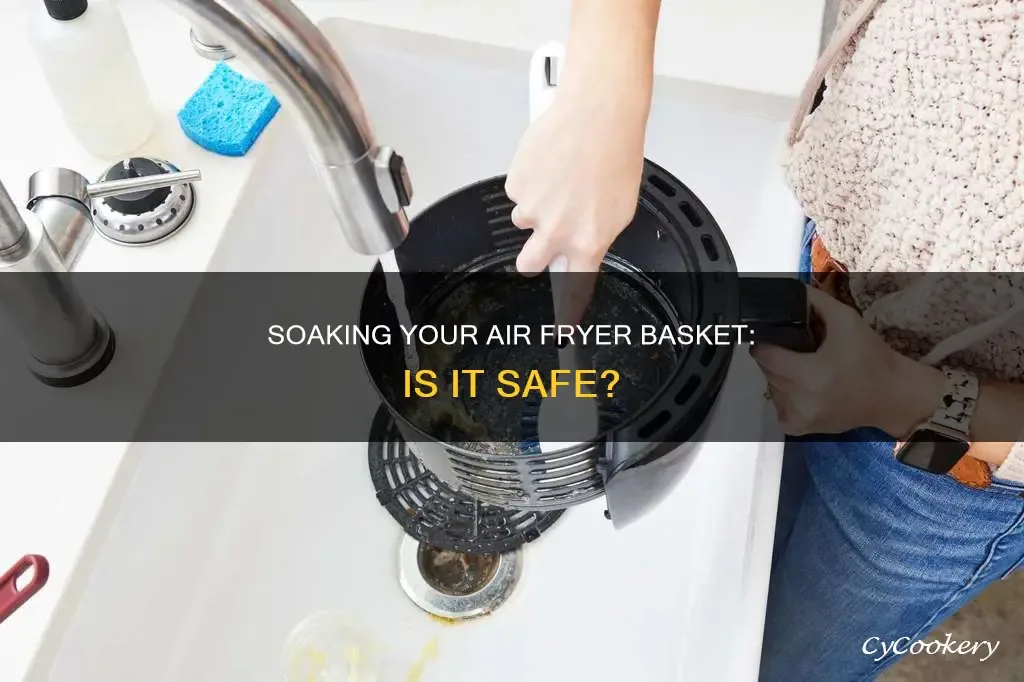
Image source: Web (Bing) / cycookery.com (Web image (fair-use with source credit))
Quick Answer: Should I Wash Air Fryer Before Use?
Yes, you absolutely should wash an air fryer before its first use. Factory residues and machine oils contaminate food-contact surfaces. A plain rinse isn’t enough.
Use warm soapy water on all removable parts. Then run an empty burn‑off cycle. This clears protective coatings off the heating element.
Why a New Air Fryer Isn’t Ready to Cook Straight Out of the Box
An air fryer doesn’t arrive food‑safe. It passes through stamping, moulding, coating and assembly lines. At every stage, substances you don’t want near your meal settle onto the basket and interior.
Manufacturers routinely apply a thin anti‑corrosion oil to the heating element and metal walls. This stops rust while the appliance sits in a warehouse. Dust and sometimes tiny metal shavings from machining also collect in the cavity and on the non‑stick tray.
Even if the basket looks spotless, run a white paper towel over it and you’ll often pick up a faint greasy film.
Factory coatings serve a purpose. They protect the metal during storage and shipping. But they were never meant to be heated, inhaled or eaten.
The job of a pre‑first‑use clean is to strip all of that away so that only food and hot air touch your meal.
The Simple Answer: Yes, Wash It — But the Method Matters More Than You Think
Saying “wash it” is easy. Doing it the right way makes all the difference. A quick swipe with a damp cloth won’t cut through oil‑based residues.
And throwing the whole appliance under the tap is a fast track to an electrical fault.
The method splits into two necessary parts. First you thoroughly clean every removable piece that contacts food. Second you run a short high‑heat cycle with nothing inside.
That burn‑off vaporises the protective film on the heating element. If you only wash the basket and skip the burn‑off, that element coating will smoke and smell when it finally hits 200°C. If you only do the burn‑off, oils on the basket and tray can bake into a sticky layer that’s harder to remove later.
Getting the sequence right protects the non‑stick surface too. Ceramic and PTFE coatings have different cleaning demands. We’ll cover those in a moment, but the core rule never changes: warm soapy water plus a soft sponge first.
Never an abrasive scrubber. That goes for every air fryer, regardless of brand or coating.
What’s Actually Lurking on a Factory‑Fresh Air Fryer
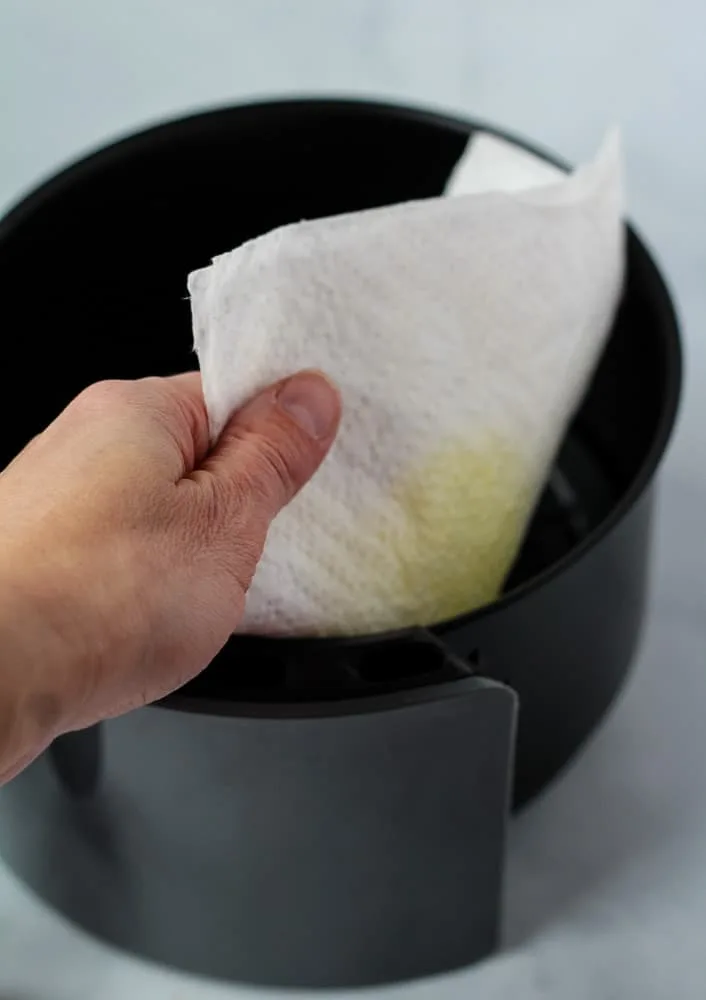
Image source: Web (Bing) / vinotecarestaurant.com (Web image (fair-use with source credit))
Most people focus on the basket, because that’s where the food sits. The bigger concern often hides above it. The heating element and the metal walls around it carry a light coat of machine oil.
When that oil heats up, it can produce visible smoke and an odour that some users mistake for a faulty appliance.
There are three zones to think about.
- Heating element and upper cavity. Protected with an anti‑corrosion film that burns off at high heat. This is the main source of first‑use smoke and plastic‑like smells.
- Removable basket and crisper tray. These carry release agents from the moulding process and may have final‑finish compounds on the non‑stick surface. Soap and warm water break those down.
- Outer housing and control panel. Less of a health risk, but dust and packaging fibres cling to the plastic. A wipedown with a barely damp cloth is enough.
The U.S. Food and Drug Administration sets strict rules for materials that contact food, explained in its food contact substances guidance. Even compliant materials, though, can show up with non‑food residues from the production line.
Those residues don’t belong in your dinner.
The Real Risks of Skipping That First Clean
If you skip the wash and go straight to cooking, a few things can happen. None of them are dangerous in a serious medical sense, but they’re unpleasant and totally avoidable.
First, your food picks up a faint chemical or oily aftertaste. The hot air circulating at 200°C pulls volatile compounds off the uncleaned surfaces and deposits them onto your chips or chicken wings. It’s subtle at first but impossible to ignore once you notice it.
Second, you get smoke. The anti‑corrosion coating on the heating element isn’t designed to be inhaled. When it burns away mid‑cook, it can fill the kitchen with a thin haze and set off a sensitive smoke alarm.
Some users wrongly assume the unit is defective and return it, when the real fix was a ten‑minute burn‑off they never did.
Third, you can shorten the life of the non‑stick coating. Baked‑on factory film creates a rough, sticky base layer. Later, food residue glues itself to that layer and you end up scrubbing harder than you should.
That wears down the coating long before it would naturally degrade.
One more concern: warranty. Several popular brands explicitly state in the manual that failure to perform the first‑use cleaning steps can void coverage for related issues. Check your paperwork.
A little soap and a timer can save you a headache later. If you later consider adding liners to your basket, understanding material safety becomes just as important, so take a moment to read about what to look for with those accessories.
How to Wash Your Air Fryer Before First Use: The Full Safe‑Practice Walkthrough
Image source: Web (Bing) / bidfta.com (Web image (fair-use with source credit))
This isn’t complicated. It takes about 15 minutes of hands‑on time, plus a short empty run while you do something else. Do it once, properly, and you’ll taste only food from the very first batch.
Separating and Soaking Removable Parts
Unplug the appliance. Remove the basket, the crisper tray, and any silicone bumpers or pads your model uses. These are the only items that can safely touch water.
Fill your sink with warm soapy water. A standard dishwashing liquid works perfectly. Submerge the basket and tray and let them soak for 10 to 15 minutes.
The soap cuts through oil‑based release agents and dislodges any loose dust or metal fines. If the basket has a non‑stick coating, stick to a soft sponge or a non‑scratch dish brush. Scrub gently, rinse thoroughly and dry with a clean cloth.
Make sure every part is bone‑dry before you put it back.
Wiping Down the Heating Element and Interior Cavity
Now turn to the main unit. Never submerge it. Never pour water into it.
Take a clean microfiber cloth and dampen it just enough to feel cool. Wring it out hard. You don’t want a single drip.
Wipe the metal roof of the cooking cavity, the walls and the protective shield around the heating element. Go slowly around the element. If you see any residue on the cloth you’re already glad you did this step.
Follow immediately with a dry cloth to pick up any remaining moisture. Leaving even a little dampness inside can cause a faint musty smell the first time you heat it up.
The Burn‑Off Cycle: Temperature, Timing, and Why You Need Ventilation
This is the step that catches most first‑time owners off guard. Many manuals call it “break‑in,” “initial run,” or “seasoning,” but the goal is the same: burn off the protective coating on the heating element before any food goes in.
Set the air fryer to its maximum temperature. For most models that’s 200°C (400°F). Let it run empty for 10 to 20 minutes.
As of 2026, every major air fryer brand we reviewed includes this step in their quick‑start guide. It is not optional.
Open a window or switch on the extractor fan. A faint smell is normal. A little wisp of smoke can happen.
If you get heavy smoke or a strong plastic odour, stop the cycle, let it cool and run a second burn‑off. When the timer ends, unplug the unit and let it cool completely. Give the interior one final wipe with a dry cloth.
Now it’s truly ready.
While you’re setting it up on the counter, remember that positioning the appliance with enough clearance matters just as much as the pre‑use clean. Steam rises. Heat needs space.
That topic deserves its own attention, but keep it in mind now.
Ceramic vs PTFE Non-Stick: How Your Coating Changes the Cleaning Rules
Not all non-stick coatings behave the same way during that first wash. The two you’ll run into most often are ceramic and PTFE. Both need cleaning before use.
The difference is how aggressive you can be with soap.
Ceramic coatings are sol‑gel derived and naturally slick. Some manufacturers advise against dish soap for the first clean. They worry that surfactants can leave a micro‑film that interferes with the ceramic’s release properties.
PTFE coatings, often labelled PFOA‑free these days, tolerate mild dish soap without issue. Soap and warm water are the standard recommendation.
That doesn’t mean ceramic is fragile. It simply means you follow the booklet. If the manual says “hot water only, no soap,” do that.
If it’s silent, use a tiny drop of mild soap. Then rinse until the water sheets off clean.
A quick side‑by‑side makes it easier to remember.
| Coating type | First-wash liquid | Sponge type | Dishwasher-safe? |
|---|---|---|---|
| Ceramic | Hot water or a pea‑size drop of mild soap (check manual) | Soft sponge only | Most brands say yes, but hand washing extends life |
| PTFE (non‑stick) | Warm soapy water | Soft sponge | Many baskets are dishwasher‑safe on the top rack |
The same rule applies to both: nothing abrasive ever touches the surface. No green scrub pads. No steel wool.
Not even a “non‑scratch” scrubber with a rough back. Once you scratch a non‑stick coating, food starts sticking and the surface degrades faster. That first wash sets the tone for the life of the basket.
Common First-Use Mistakes That Ruin Non-Stick Before You’ve Cooked a Single Meal
The pre‑first‑use clean is simple. That’s why it’s easy to get it wrong. Small slip‑ups can embed residue instead of removing it.
A few minutes of overconfidence can shave years off the coating’s life.
Here are the mistakes aggregate reviews and manufacturer guidance flag most often.
- Skipping the soap because the basket “looks clean.” Factory oils are transparent. Water alone can’t cut through them. You need a mild detergent to lift the film.
- Using a scouring pad or steel wool on the non‑stick. Even one pass can leave micro‑scratches. From that point on, oil and food particles collect in the grooves.
- Soaking the entire basket in undiluted vinegar or heavy degreasers. Harsh chemicals attack the bonding layer under the coating. Stick to dish soap.
- Putting the main unit under running water. Water gets into the fan housing and electrical contacts. The appliance can short or corrode.
- Skipping the burn‑off cycle. Without it, the heating element’s protective oil smokes during the first cook. That smell can cling to food for the next several uses.
- Spraying cooking oil into an empty basket before the burn‑off. Some people think this “seasons” the surface. It doesn’t. It creates a sticky, polymerised layer that’s hard to remove.
The one that surprises most new owners: placing the hot basket straight into cold water after the burn‑off. Thermal shock can warp the metal or craze the coating. Always let everything cool naturally.
When the Manufacturer Instruction Manual Overrides Every General Rule
Image source: Web (Bing) / winkcleaning.com.au (Web image (fair-use with source credit))
General advice gets you 90% of the way. Your manual covers the last 10%. It also keeps your warranty intact.
Some ceramic‑coated baskets carry explicit “no soap” instructions for the first wash. A few premium models ask you to run two burn‑off cycles, not one. Others specify a maximum burn‑off time of 10 minutes to avoid discolouring the interior.
Ignore those details and you might be fine, but you might also void coverage for a coating defect later.
If you’ve already recycled the paper booklet, most brands host a PDF download on their support page. Look for the exact model number. The “before first use” or “initial setup” section is never more than a page.
It takes two minutes to scan.
Trust it. Even if a trusted blog or forum says to do something differently, your manual is the binding document. Following it protects both your appliance and your purchase protection.
“I Already Used It Without Washing — Now What?”
Plenty of people cook first and ask questions later. A single use without cleaning won’t ruin the air fryer. It does mean you probably tasted a little factory residue, and the smell might linger for a couple more batches.
The fix is the same deep clean you should have done on day one. You just do it now.
The process depends on how many times you’ve used it.
| Situation | Action to take |
|---|---|
| Used once, no smoke or off‑taste | Wash removable parts with soapy water, wipe interior, run one burn‑off cycle. |
| Used once, noticed smoke or plastic smell | Wash all parts, wipe the heating element carefully with a damp cloth (unplugged, cool), run a 20‑minute burn‑off with windows open. |
| Used several times without cleaning | Wash all parts. Wipe the cavity thoroughly. Run a burn‑off. If a sticky film has built up, make a paste of baking soda and water, apply gently with a soft sponge to the basket, then rinse. Never use baking soda on the heating element. |
| Off‑taste persists after cleaning and burn‑off | Give it two or three more regular cooks with neutral foods like plain toast. The residual taste will fade completely. |
Baking soda is the safe, gentle route for loosening baked‑on residue from a neglected basket. Make a thick paste, spread it on, leave it for 10 minutes, then wipe it off with a damp sponge. Rinse and dry.
No scrubbing. This works for both ceramic and PTFE surfaces when used sparingly.
Your Pre-First-Use Checklist: Tear It Out and Tick Every Box
Don’t guess. Run through this list once and you’ll never chase a strange smell again.
- Unplug the air fryer before touching anything.
- Remove basket, crisper tray, and any silicone pads.
- Soak removable parts in warm soapy water for 10, 15 minutes.
- Gently clean with a soft sponge, rinse, and dry completely.
- Wipe the interior cavity and heating element shield with a barely damp microfiber cloth.
- Follow with a dry cloth to remove all moisture.
- Reassemble dry parts. Place the air fryer on a heat‑proof surface with plenty of clearance above.
- Run the burn‑off cycle: maximum temperature for 10, 20 minutes. Open a window.
- Let the unit cool fully. Give the interior one final dry wipe.
- Put the manual somewhere you can find it next year.
Once that list is done, the air fryer is genuinely food‑ready. No chemical aftertaste. No mystery smoke.
Just hot air and whatever you feel like cooking.
Frequently Asked Questions
What happens if you don’t wash an air fryer before first use?
You’ll likely taste faint chemical or oily notes in your food. The heating element’s protective coating can smoke during the cook. That odd plastic smell can stick around for several uses.
It won’t break the appliance, but it makes for a lousy first meal.
Can I put my air fryer basket in the dishwasher before first use?
Check your manual. Many PTFE-coated baskets are top-rack dishwasher-safe. Ceramic baskets often benefit from a gentle hand wash instead.
A dishwasher cycle cuts through factory oils well. Just make sure the basket is completely dry before you reassemble and run the burn-off.
How long should I run an empty air fryer before cooking?
Set it to maximum temperature, usually 200°C (400°F), for 10 to 20 minutes. Most manuals recommend 15 minutes. If you still smell a faint odour after the first run, do a second 10-minute cycle with the windows open.
Let it cool fully before adding food.
Why does my new air fryer smell like burning plastic?
That smell almost always comes from the anti-corrosion oil on the heating element burning off. It is normal during the initial burn-off cycle. Proper ventilation clears it quickly.
If the odour persists after two empty runs, wipe the interior again and check that no packaging material got stuck.
Do I need to wash the air fryer after every use?
Yes, you should clean the basket, tray, and interior after each cook. Leftover grease and food particles build up fast. They smoke, smell, and can degrade the non-stick coating.
A quick wash with warm soapy water and a soft sponge right after cooking keeps the surface in top shape.
Is it safe to use soap on a non-stick air fryer basket?
Mild dish soap is safe on PTFE non-stick surfaces. For ceramic coatings, some brands advise only hot water to avoid surfactant residue. Always use a soft sponge.
Rinse thoroughly. Harsh degreasers or dishwasher tablets with strong alkalinity can slowly wear down the coating over time.


