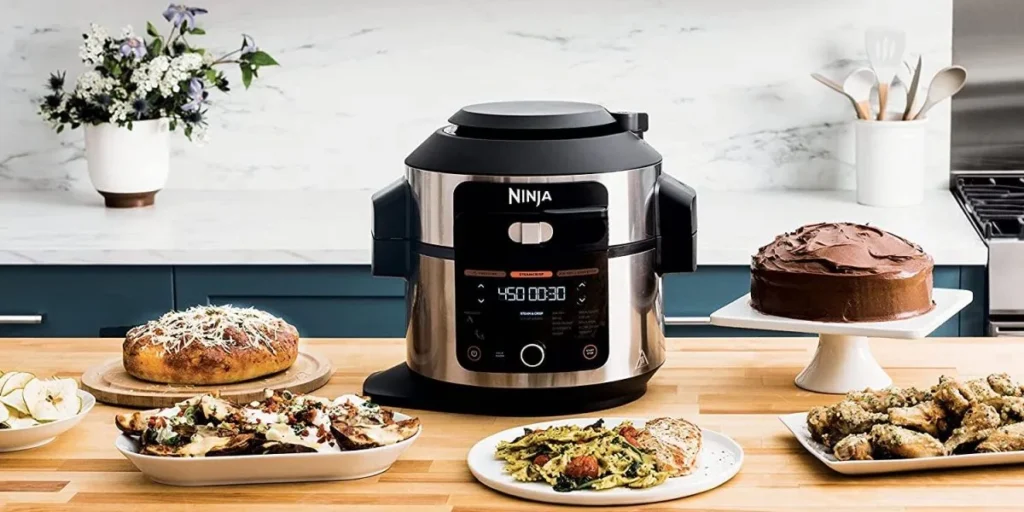
Can you steam in an air fryer? The short answer is yes, but only if your machine is actually built for it. Many standard air fryers are not.
The difference comes down to one small part: a water tank.
As of 2026, steam-capable air fryers are far more common than they used to be. Most steam modes run around 212°F (100°C) because that is the boiling point of water. That is a big shift from a typical air fryer, which can hit 450°F (230°C).
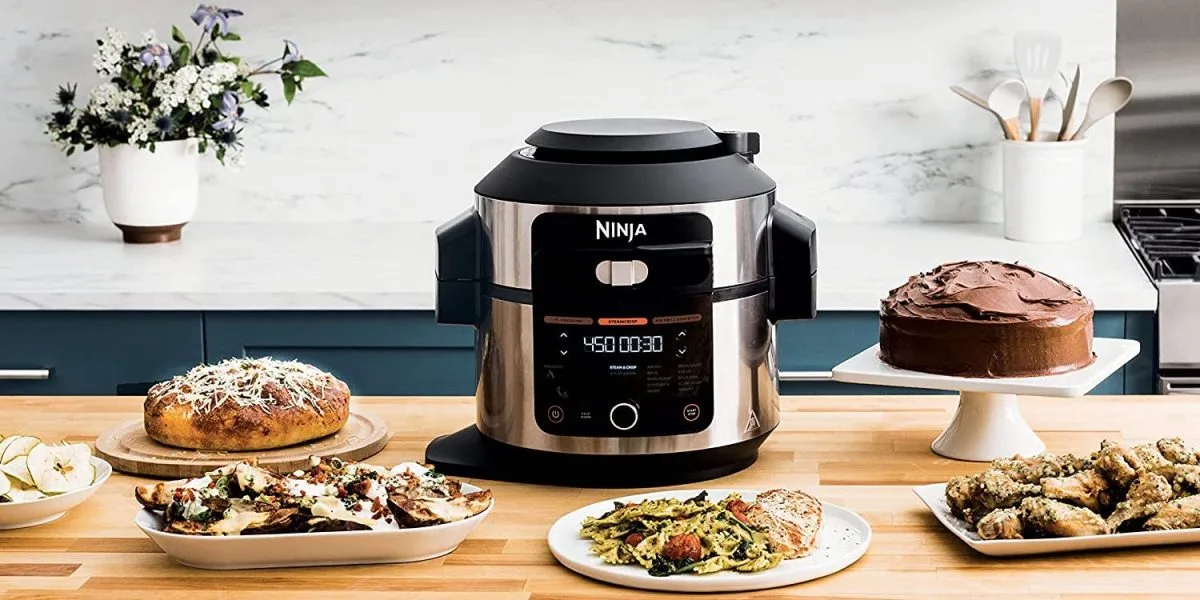
Image source: Bing (Web (fair-use with source credit))
The Real Problem: Many Air Fryers Are Not Designed for Water
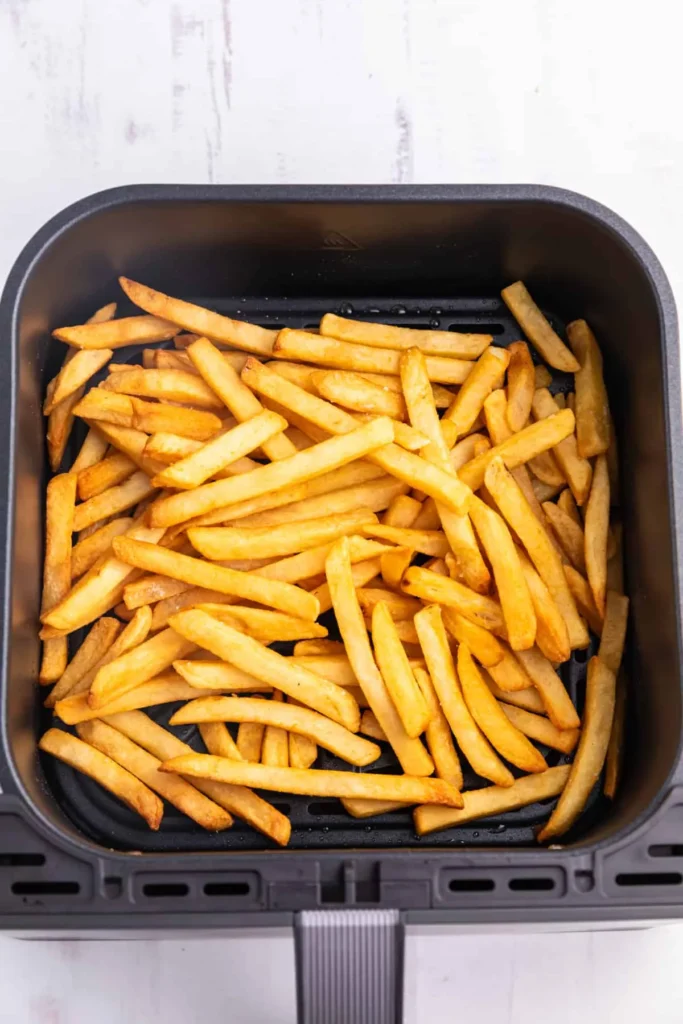
Standard air fryers use dry convection heat. A heating element warms the air while a fan blows it around the food. That is what gives you the browned, crispy finish you expect, whether you’re roasting vegetables or trying to get really good homemade fries.
Water changes that equation completely. If you pour water into a standard basket drawer, the fan blows it around. Food turns steamy and soft instead of crisp.
That is not the same as steaming. It is a wet, uneven mess.
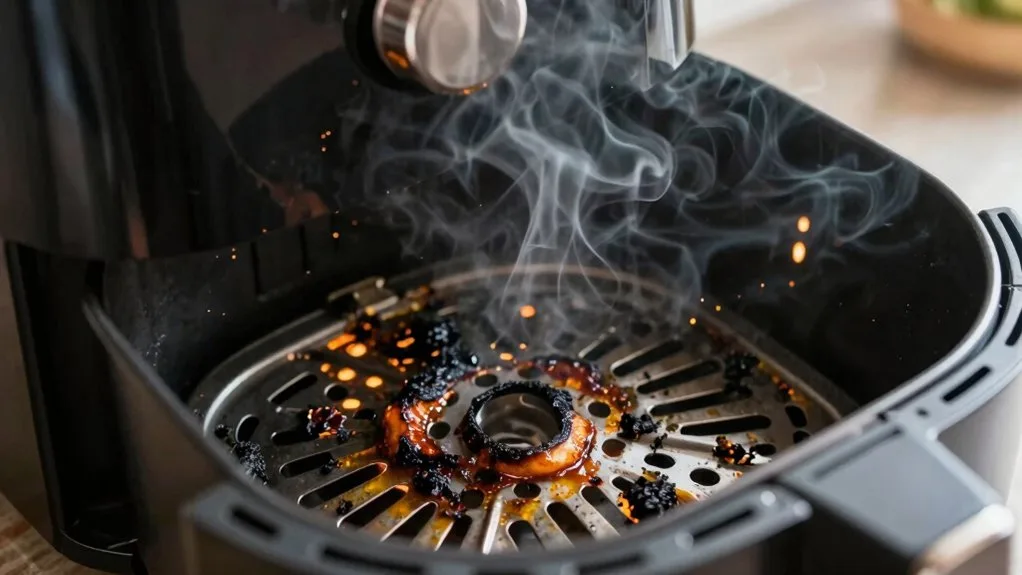
Worse, water can splash up toward the heating element or find its way into electrical parts. Some manuals clearly warn against adding water to the basket. Others stay silent, which is not a yes.
Common risks of adding water to a standard air fryer:
- Food turns soggy instead of tender.
- Water can hit the heating element.
- Moisture can pool near electrical connections.
- Sudden steam release can burn your hands or face.
Quick Answer: Yes, But Only If Your Model Is Built for Steam
Yes, you can steam in an air fryer. But the model must have a steam function. That means a built-in water tank and a steam preset.
A standard basket air fryer is not designed for water. You can still use a workaround with a silicone steamer basket.
How an Air Fryer Works: Dry Heat vs. the Steam Mode Difference
An air fryer is basically a small convection oven. The heating element sits above the food. A fan pushes hot air around the basket.
That dry, fast-moving air pulls moisture away from the surface. It creates browning and crisping.
Steam mode works from the opposite direction. The appliance still uses heat, but it adds moisture from a water tank. Instead of drawing water out, it keeps water in the food.
The result is tender, soft food. That is why fish and vegetables steam so well.
Some models blend both methods. They have steam bake or steam roast modes that run hotter than 212°F. The extra moisture stops food from drying out while still allowing a light browning.
| Feature | Dry Heat Air Fry | Steam Mode |
|---|---|---|
| Temperature | 200°F to 450°F / 93°C to 230°C | Around 212°F / 100°C |
| Moisture | Removed from food | Added to food |
| Best for | Crispy fries, poultry skin, browning | Vegetables, fish, dumplings, reheating |
| Texture result | Crisp, browned | Tender, moist |
First Decision: Check for a Water Tank or Dedicated Steam Button
Before you add water, stop and look at your air fryer. The quickest way to know if it can steam is to find the water tank. On most steam-capable models, it is a removable drawer or a small fill hole on the front or side.
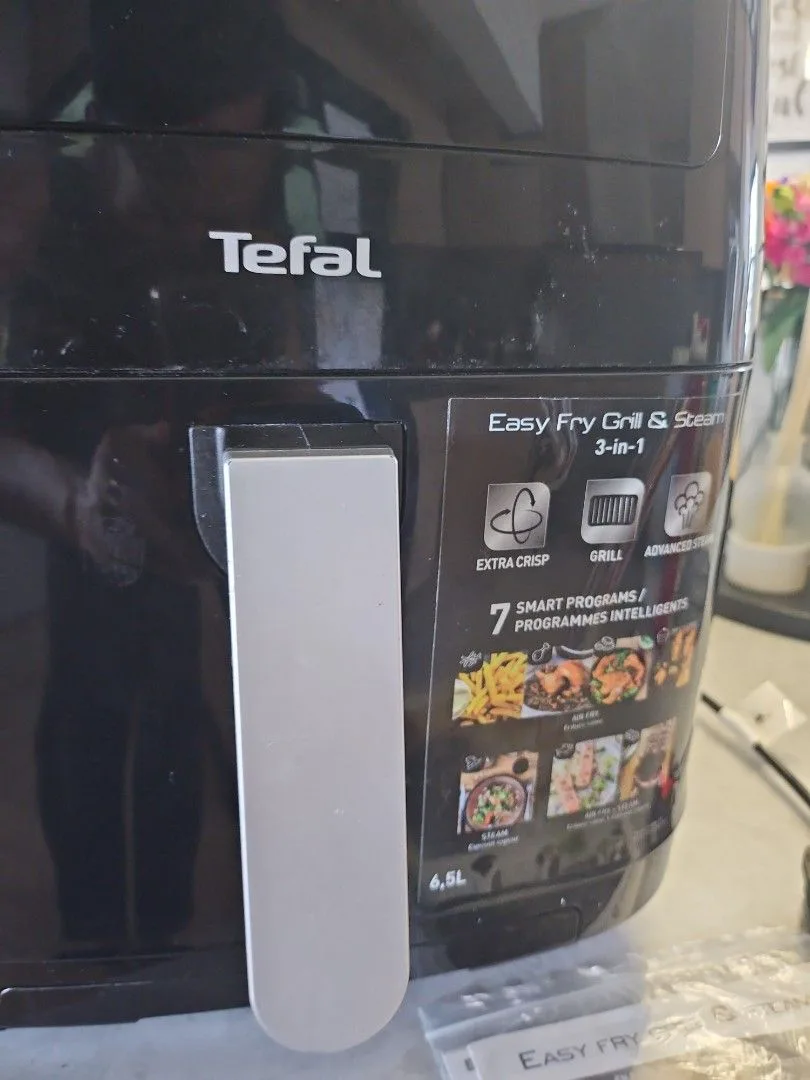
Image source: Web (Bing) / carousell.sg (Web image (fair-use with source credit))
Check for these signs:
- Look for a water tank, often labeled with a max fill line.
- Look for a steam button or an icon that looks like steam.
- Look for modes named steam, steam bake, or steam roast.
- Check the manual. If it says do not add water, do not add water.
The decision is simple. If you see a water tank and a steam preset, use the built-in steam mode. If you see a steam button but no tank, check the manual.
Some models pull moisture from a drip tray. If you see neither, do not pour water into the basket.
Option 1: Using a Steam-Capable Air Fryer the Right Way
If your air fryer has a built-in steam function, the process is straightforward. Follow the manual’s water level guidance. Never overfill.
Here is the step-by-step method:
- Fill the water tank to the max line. Use filtered water if your manual recommends it.
- Add food to the perforated tray or steam basket. Keep it in a single layer.
- Slide the tray in. Close the door or drawer.
- Select steam mode. Set time based on the food type.
- Preheat if the model asks for it. Some steam models preheat for 3 to 5 minutes.
- Check internal temperature before serving. Fish should reach 145°F (63°C). Chicken and leftovers need 165°F (74°C).
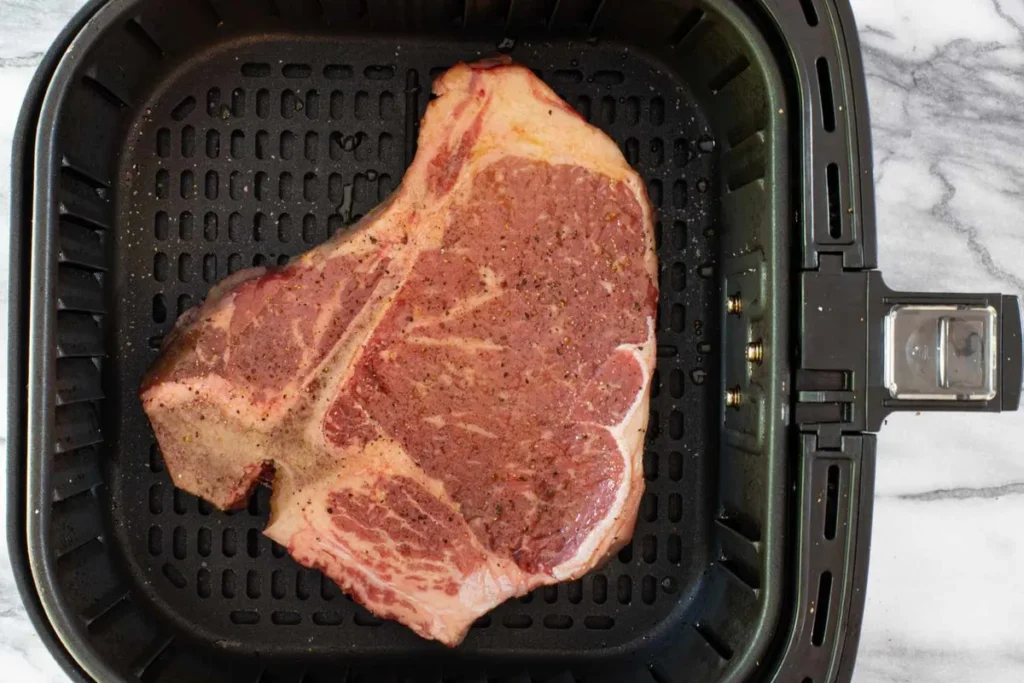
Steaming is a totally different heat path than cooking beef with dry convection, but the same safe temperature targets apply. The USDA safe minimum internal temperatures are a good reference.
You can also use this method for reheating rice, cooked chicken, or fish. The steam keeps food moist without drying it out the way a microwave often does.
Use this quick reference for common steam cook times:
| Food | Steaming Time | Internal Temp |
|---|---|---|
| Broccoli florets | 5 to 7 minutes | not applicable |
| Salmon fillet | 8 to 10 minutes | 145°F / 63°C |
| Dumplings | 10 to 12 minutes | 165°F / 74°C for fillings |
| Eggs | 12 to 14 minutes | 160°F / 71°C for egg dishes |
Times vary by model, thickness, and how full the tray is. Always check food early the first time you steam it in a new machine. If the food is not done, add a minute or two.
If it is overcooked, reduce the time next round.
Option 2: Steaming in a Standard Basket Air Fryer Without Damage
A standard air fryer can technically mimic steaming, but not by filling the drawer with water. The safe route is to trap moisture in a contained space. That means using a silicone steamer basket, a heat-safe bowl, or a foil packet.
The idea is simple. The food sits in its own trapped steam. A small amount of water sits underneath or inside the container.
The air fryer heats the air, which heats the water, which creates steam around the food.
Do not pour water directly into the empty basket. The fan will blow it around. It can hit the heating element or drip into places you cannot easily dry.
A better method for a standard air fryer:
- Choose a food-safe silicone steamer basket or a small oven-safe bowl.
- Add 2 to 3 tablespoons of water to the bottom of the container.
- Place food in a single layer inside the container or basket.
- Cover the container loosely with a vented lid or foil.
- Set the air fryer to about 300°F to 325°F (150°C to 160°C).
- Cook in shorter intervals. Check food every 3 to 5 minutes.
There is a trade-off. This method will not give you the same gentle, even steam as a dedicated steam mode. It works best for quick-cooking vegetables, reheating cooked grains, or warming dumplings that are already cooked.
If you try to steam raw chicken or large pieces of fish this way, you’ll get uneven results. The steam stays concentrated near the food, but the surrounding air is still dry and moving. That mixed environment can dry the top while the bottom steams.
Step-by-Step: How to Steam Vegetables, Fish, and Dumplings in a Steam Air Fryer
If you have a model with a built-in steam mode, use it. The results are closer to an electric steamer because the appliance controls the steam delivery.
The process for a steam-capable air fryer is a simple decision tree. If the food is delicate, like fish or greens, use pure steam at 212°F. If the food needs a little browning, like chicken thighs or root vegetables, use a steam-bake or steam-roast mode if you have one.
Vegetables
Broccoli, green beans, asparagus, and cauliflower all steam well. Cut them into even pieces. Spread them on the perforated tray in a single layer.
Fill the water tank. Select steam mode and set 5 to 7 minutes for broccoli or beans.
Carrots and potatoes take longer. Cut them thin. Expect 12 to 15 minutes depending on thickness.
Check with a fork. If it slides in easily, they are done.
Fish
Salmon, cod, and tilapia hold up well in steam mode. Place the fillet on a sheet of parchment or a small heat-safe dish. That stops it from sticking to the tray.
Season first. Select steam mode and set 8 to 10 minutes for a 1-inch thick fillet.
Fish is done at 145°F (63°C). Flake it with a fork. If it separates cleanly, stop cooking.
Overcooked fish turns rubbery in minutes.
Dumplings
Fresh or frozen dumplings work in a steam air fryer. Do not overcrowd them. Leave a little space so steam can circulate.
A light brush of oil on the tray prevents sticking.
Steam frozen dumplings for 10 to 12 minutes. Fresh ones usually need 8 to 10 minutes. Check one by cutting it open.
The filling should reach 165°F (74°C) if it contains meat.
The biggest mistake is stacking dumplings. They cook unevenly. Steam one layer, then do a second batch.
Step-by-Step: How to Steam in a Standard Air Fryer Using a Silicone Basket or Foil Packet
A standard air fryer needs help to create steam. A silicone steamer basket is the easiest accessory. It is food-safe, flexible, and fits most round or square baskets.
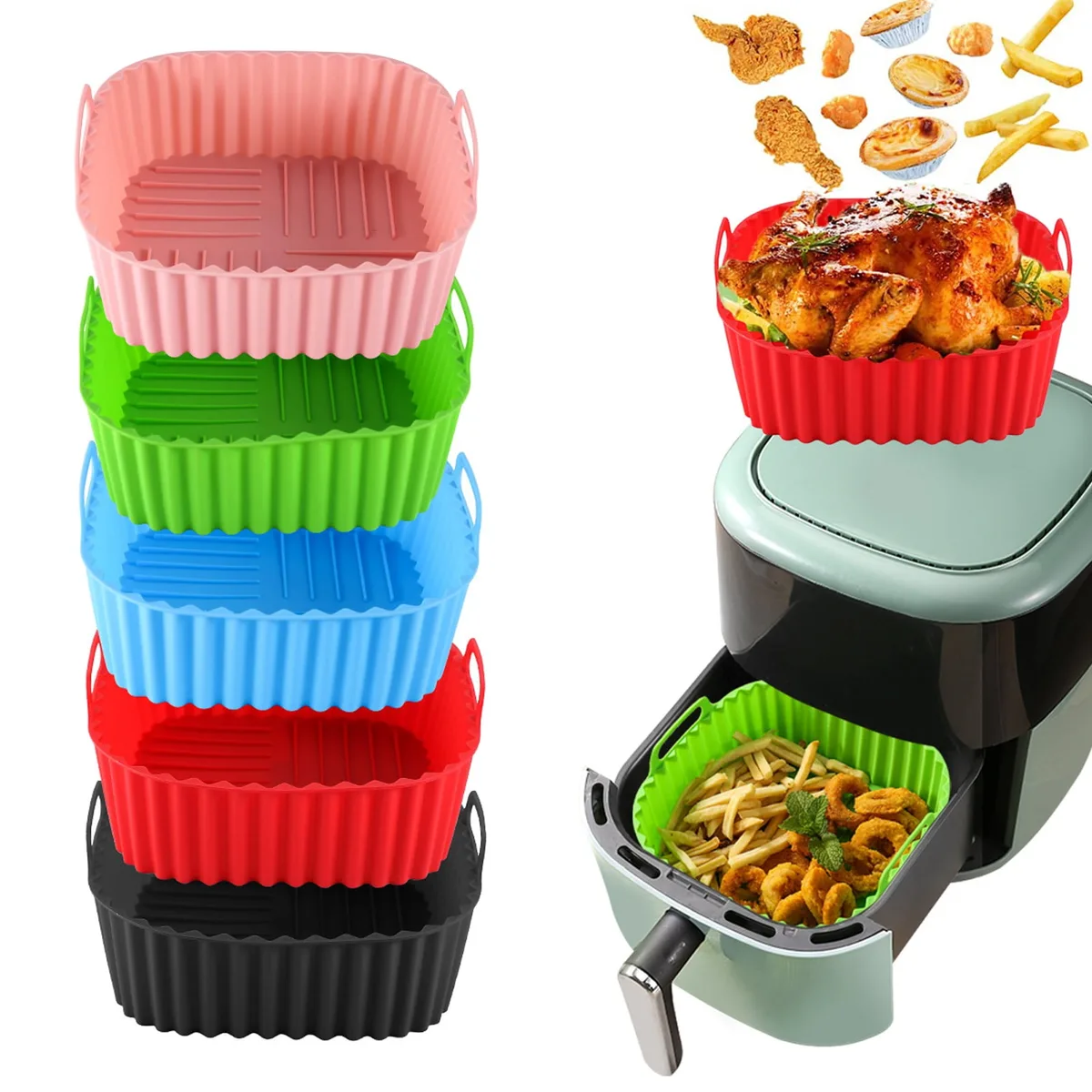
Image source: Web (Bing) / walmart.com (Web image (fair-use with source credit))
Here is a safe method:
- Place the silicone steamer basket in the air fryer drawer.
- Add 2 to 3 tablespoons of water to the bottom of the basket.
- Add vegetables or dumplings in one layer.
- Cover the basket with a loose foil tent if your model allows foil.
- Set the air fryer to 300°F to 325°F (150°C to 160°C).
- Steam for 3 to 5 minutes. Open and check. Add more water if it has evaporated.
For proteins, a foil packet works better. Put fish or chicken with a spoonful of water or broth inside a sealed foil pouch. Leave a small vent for steam to escape.
Place the packet in the basket. Cook at 325°F (160°C) until the food reaches its safe temperature.
This method is not true steaming. It is more like braising or poaching in a contained space. But it can soften vegetables and gently reheat food without drying it out.
Never fill the bottom of the basket with water. That can damage a standard air fryer. The fan is located right underneath or above the basket in many designs.
Splashing is a real risk.
If your air fryer manual says the basket is not water-safe, stick with the sealed packet method. Or use a heat-safe bowl with a fitted lid. The goal is containment.
Keep water away from the appliance itself.
The Best Foods for Air Fryer Steaming
Steam mode handles soft, quick-cooking foods best. These are foods that would otherwise dry out under strong convection heat.
Good choices for air fryer steaming:
- Broccoli, green beans, and asparagus
- Cauliflower and zucchini
- Fish fillets, especially salmon and cod
- Boneless chicken breast, sliced thin
- Potstickers, bao buns, and gyoza
- Cooked rice and grains for reheating
- Eggs in ramekins or small bowls
- Tamales and steamed puddings in molds
- Frozen mixed vegetables
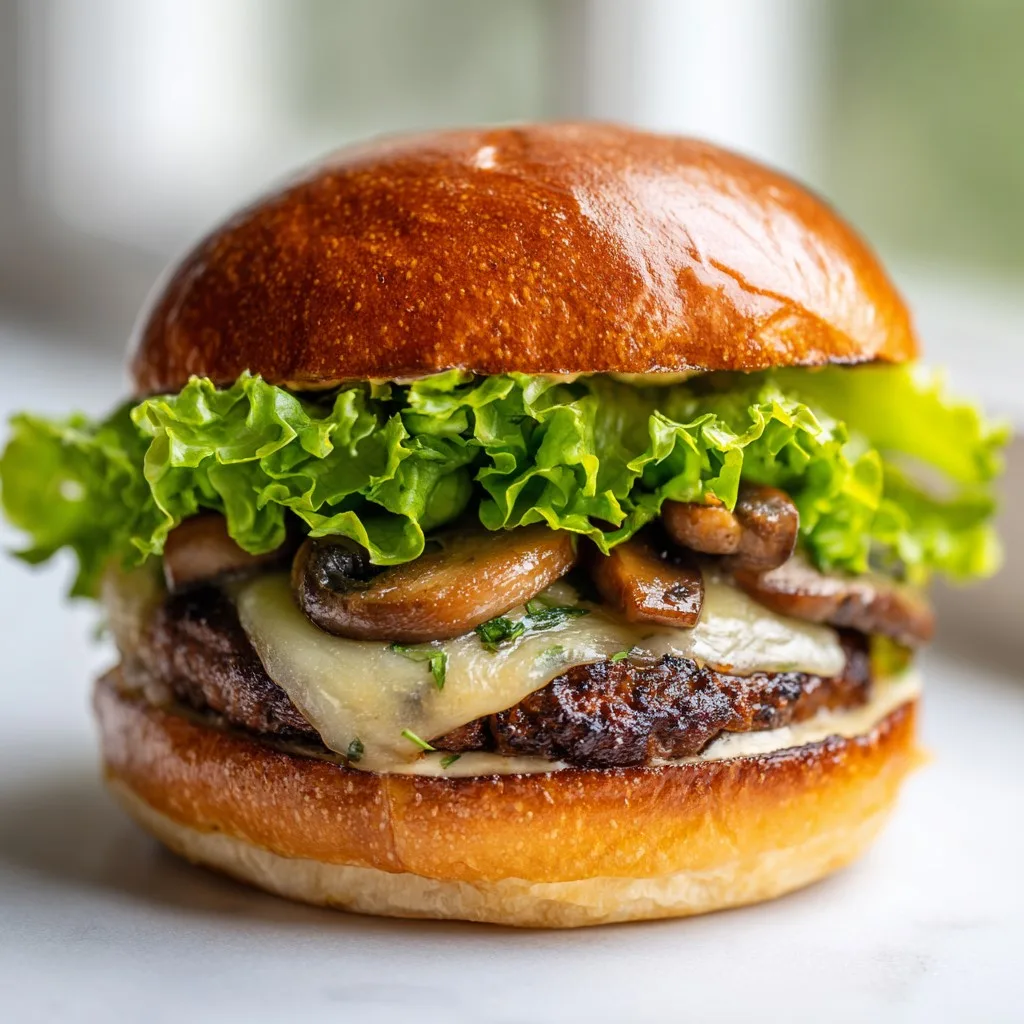
Foods that are not ideal for steam mode include anything you want crisp. Fries, chicken wings, and smash burger patties are better off with dry heat. Adding steam will just make them flabby.
Side-by-Side: Steam Air Fryer vs. Electric Steamer vs. Stovetop Steamer
If you already have an air fryer, you probably want to know if buying a dedicated steamer is worth it. Here is a straight comparison.
| Feature | Steam Air Fryer | Electric Steamer | Stovetop Steamer |
|---|---|---|---|
| Counter space | One appliance | Extra appliance | Small, stores in cabinet |
| Setup time | Quick | Quick | Requires a pot and burner |
| Steam quality | Good, controlled | Excellent, consistent | Good, manual monitoring |
| Food capacity | Limited by basket | Multiple tiers | Large, flexible |
| Extra features | Air frying, roasting, baking | Steaming only | None |
| Cleaning | Tank, tray, basket | Steamer trays and reservoir | Pot and basket |
| Best for | Space-saving multi-tasking | Regular steaming in large batches | Occasional steaming |
If you steam every day, an electric steamer may beat an air fryer. It holds more food and gives you stacked trays. But if you only steam once or twice a week, a steam-capable air fryer covers both jobs without another appliance on the counter.
A stovetop steamer is the cheapest option. It works fine for basic vegetables and dumplings. You just have to watch the water level.
The air fryer removes that monitoring because the built-in tank or preset controls moisture for you.
Common Mistakes That Make Food Soggy or Put the Appliance at Risk
Most air fryer steaming fails come down to three things. Wrong water placement, overcrowding, and opening the drawer too often.
- Pouring water into a standard basket instead of using a sealed container or steamer basket
- Overfilling the water tank past the max line
- Stacking food so steam cannot reach the middle
- Opening the drawer repeatedly during steaming
- Using parchment paper that blocks steam from rising
- Forgetting to drain leftover water after cooking
Food turns soggy when it sits in pooled water. If the tray has no holes, steam condenses and drips back down. A perforated tray or elevated rack fixes that.
Safety First: Steam Burns, Vent Clearance, and Moisture Damage
Steam burns are the biggest real-world risk. The drawer or door releases a hot burst of moist air when you open it. Keep your face and hands clear.
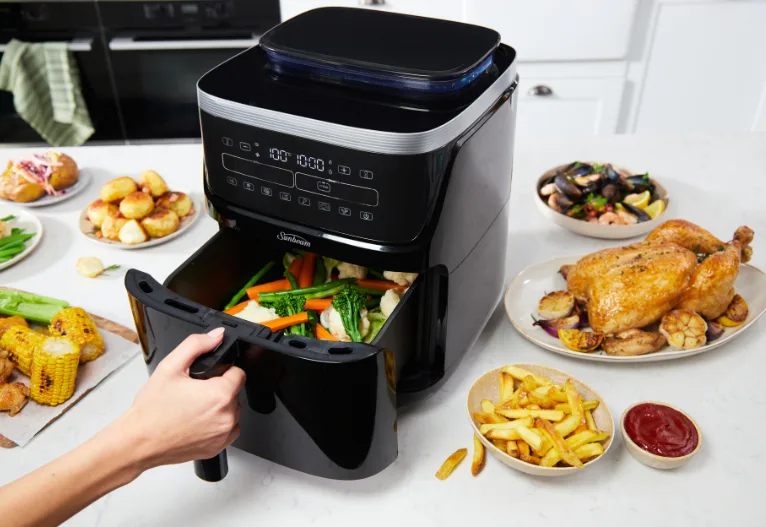
Image source: Web (Bing) / mouthsofmums.com.au (Web image (fair-use with source credit))
Position the air fryer away from overhead cabinets. Steam can warp wood and peel paint over time. An open counter area or near a window works best.
Use oven mitts when lifting a steam tray or bowl.
Never reach over the vent while the machine is running. If the steam mode has a preheat step, expect a burst of steam when you add food.
Maintenance After Steaming: Descaling, Draining, and Drying
Every steam session leaves water behind. Empty the water tank and drip tray after each use. This stops mold and stale smells.
Dry the drawer, basket, and interior with a cloth. Do not leave the door or drawer closed with moisture inside.
Hard-water areas cause mineral buildup. Descaling every 2 to 3 months keeps the steam pathway clear. Many models have a descaling reminder.
Use distilled or filtered water if the manual suggests it.
Who Benefits Most from a Steam Air Fryer?
A steam-capable air fryer makes the most sense if you want one appliance for two jobs. You get crispy air frying and gentle moist cooking without finding space for a separate steamer.
It fits well for:
- Small kitchens with limited counter space
- People who reheat rice, fish, and cooked chicken often
- Health-conscious cooks who want oil-free methods
- Meal preppers who batch cook vegetables and lean proteins
- Anyone tired of watching a stovetop pot
If you rarely steam food, you probably do not need this feature. A standard air fryer with a silicone basket workaround will handle the occasional vegetable or dumpling batch.
Final Decision Guide: Should You Use Steam Mode, a Workaround, or a Separate Steamer?
The answer depends on your model and how often you steam.
- If your air fryer has a built-in steam mode, use it. It is safe and consistent.
- If you have a standard air fryer and steam once a week or less, use a silicone steamer basket or foil packet.
- If you steam daily or in large batches, a dedicated electric steamer is a better tool.
- If you want crisp and steam from one box, a steam-capable air fryer is the right fit.
Do not add water to a standard basket. That is the one line that separates safe use from damage.